Compare commits
No commits in common. "master" and "2022.04-devel" have entirely different histories.
master
...
2022.04-de
16
.github/workflows/test-on-iotlab.yml
vendored
16
.github/workflows/test-on-iotlab.yml
vendored
@ -33,10 +33,6 @@ jobs:
|
||||
fail-fast: false
|
||||
matrix:
|
||||
boards:
|
||||
- riot: dwm1001
|
||||
iotlab:
|
||||
archi: dwm1001:dw1000
|
||||
site: saclay
|
||||
- riot: iotlab-m3
|
||||
iotlab:
|
||||
archi: m3:at86rf231
|
||||
@ -57,18 +53,10 @@ jobs:
|
||||
iotlab:
|
||||
archi: nrf52832mdk:ble
|
||||
site: saclay
|
||||
- riot: nucleo-wl55jc
|
||||
iotlab:
|
||||
archi: nucleo-wl55jc:stm32wl
|
||||
site: grenoble
|
||||
- riot: samr21-xpro
|
||||
iotlab:
|
||||
archi: samr21:at86rf233
|
||||
site: saclay
|
||||
- riot: samr34-xpro
|
||||
iotlab:
|
||||
archi: samr34:sx1276
|
||||
site: grenoble
|
||||
- riot: b-l072z-lrwan1
|
||||
iotlab:
|
||||
archi: st-lrwan1:sx1276
|
||||
@ -82,6 +70,10 @@ jobs:
|
||||
env:
|
||||
IOTLAB_NODE: auto
|
||||
BUILD_IN_DOCKER: 1
|
||||
# Force .bin files generation because these files are used to flash on IoT-LAB and
|
||||
# because compile_and_test_for_board forces RIOT_CI_BUILD which skip .bin
|
||||
# files generation
|
||||
DOCKER_ENVIRONMENT_CMDLINE: -e BUILD_FILES=\$$\(BINFILE\)
|
||||
COMPILE_AND_TEST_FOR_BOARD: ./dist/tools/compile_and_test_for_board/compile_and_test_for_board.py
|
||||
COMPILE_AND_TEST_ARGS: --with-test-only --jobs=2 --report-xml
|
||||
# Exclude applications that are expected to fail or cannot run on iotlab
|
||||
|
||||
2
.murdock
2
.murdock
@ -585,7 +585,7 @@ basename_list () {
|
||||
update_changed_modules() {
|
||||
# early out if there's no base commit info
|
||||
if [ -z "${CI_BASE_COMMIT}" ]; then
|
||||
return 0
|
||||
exit 0
|
||||
fi
|
||||
|
||||
# early out if a full build is requested
|
||||
|
||||
@ -97,8 +97,8 @@ compile-commands: | $(DIRS:%=COMPILE-COMMANDS--%)
|
||||
$(file >>$(BINDIR)/$(MODULE)/compile_cmds.txt,TARGET_ARCH: $(TARGET_ARCH))
|
||||
$(file >>$(BINDIR)/$(MODULE)/compile_cmds.txt,TARGET_ARCH_LLVM: $(TARGET_ARCH_LLVM))
|
||||
|
||||
# include makefile snippets for packages in $(PKG_PATHS) that modify GENSRC:
|
||||
-include $(PKG_PATHS:%=%Makefile.gensrc)
|
||||
# include makefile snippets for packages in $(USEPKG) that modify GENSRC:
|
||||
-include $(USEPKG:%=$(RIOTPKG)/%/Makefile.gensrc)
|
||||
|
||||
GENOBJC := $(GENSRC:%.c=%.o)
|
||||
OBJC_LTO := $(SRC:%.c=$(BINDIR)/$(MODULE)/%.o)
|
||||
|
||||
@ -20,7 +20,7 @@ include $(RIOTBASE)/drivers/Makefile.dep
|
||||
-include $(sort $(USEMODULE:%=$(RIOTBASE)/drivers/%/Makefile.dep))
|
||||
|
||||
# pull dependencies from packages
|
||||
-include $(PKG_PATHS:%=%Makefile.dep)
|
||||
-include $(USEPKG:%=$(RIOTPKG)/%/Makefile.dep)
|
||||
|
||||
ifneq (,$(filter mpu_stack_guard,$(USEMODULE)))
|
||||
FEATURES_REQUIRED += cortexm_mpu
|
||||
|
||||
@ -386,17 +386,6 @@ ifneq (,$(IOTLAB_NODE))
|
||||
PROGRAMMER ?= iotlab
|
||||
# iotlab uses ELFFILE by default for flashing boards.
|
||||
FLASHFILE ?= $(ELFFILE)
|
||||
# RIOT_CI_BUILD disables the build of BINFILE which is required for flashing
|
||||
# on IoT-LAB
|
||||
ifeq (1,$(RIOT_CI_BUILD))
|
||||
BUILD_FILES += $(BINFILE)
|
||||
endif
|
||||
# Disable IOTLAB_NODE if inside Docker to avoid including the
|
||||
# iotlab.single.inc.mk file which is useless there: it's only useful for
|
||||
# flashing and this is done outside of Docker.
|
||||
ifeq (1,$(INSIDE_DOCKER))
|
||||
IOTLAB_NODE :=
|
||||
endif
|
||||
endif
|
||||
|
||||
# Add standard include directories
|
||||
@ -427,10 +416,6 @@ ifeq (1,$(TEST_KCONFIG))
|
||||
USEMODULE := $(KCONFIG_MODULES)
|
||||
KCONFIG_PACKAGES := $(call lowercase,$(patsubst CONFIG_PACKAGE_%,%,$(filter CONFIG_PACKAGE_%,$(.VARIABLES))))
|
||||
USEPKG := $(KCONFIG_PACKAGES)
|
||||
|
||||
# Locate used packages in $(RIOTPKG).
|
||||
PKG_PATHS := $(sort $(foreach dir,$(RIOTPKG),\
|
||||
$(foreach pkg,$(USEPKG),$(dir $(wildcard $(dir)/$(pkg)/Makefile)))))
|
||||
else
|
||||
# always select provided architecture features
|
||||
FEATURES_REQUIRED += $(filter arch_%,$(FEATURES_PROVIDED))
|
||||
@ -574,8 +559,8 @@ include $(RIOTBASE)/sys/Makefile.include
|
||||
# include Makefile.includes of each driver modules if they exist
|
||||
-include $(USEMODULE:%=$(RIOTBASE)/drivers/%/Makefile.include)
|
||||
|
||||
# include Makefile.includes for packages in $(PKG_PATHS)
|
||||
-include $(PKG_PATHS:%=%Makefile.include)
|
||||
# include Makefile.includes for packages in $(USEPKG)
|
||||
-include $(USEPKG:%=$(RIOTPKG)/%/Makefile.include)
|
||||
|
||||
# include external modules configuration
|
||||
-include $(EXTERNAL_MODULE_PATHS:%=%/Makefile.include)
|
||||
@ -775,30 +760,31 @@ endif
|
||||
# The `clean` needs to be serialized before everything else.
|
||||
all $(BASELIBS) $(ARCHIVES) $(BUILDDEPS) ..in-docker-container: | $(CLEAN)
|
||||
|
||||
.PHONY: pkg-prepare pkg-build
|
||||
.PHONY: pkg-prepare pkg-build pkg-build-%
|
||||
pkg-prepare:
|
||||
-@$(foreach dir,$(PKG_PATHS),"$(MAKE)" -C $(dir) prepare $(NEWLINE))
|
||||
-@for i in $(USEPKG) ; do "$(MAKE)" -C $(RIOTPKG)/$$i prepare ; done
|
||||
|
||||
pkg-build: $(BUILDDEPS)
|
||||
$(foreach dir,$(PKG_PATHS),$(QQ)"$(MAKE)" -C $(dir) $(NEWLINE))
|
||||
pkg-build: $(USEPKG:%=pkg-build-%)
|
||||
pkg-build-%: $(BUILDDEPS)
|
||||
$(QQ)"$(MAKE)" -C $(RIOTPKG)/$*
|
||||
|
||||
clean:
|
||||
ifndef MAKE_RESTARTS
|
||||
-@$(foreach dir,$(PKG_PATHS),"$(MAKE)" -C $(dir) clean $(NEWLINE))
|
||||
-@for i in $(USEPKG) ; do "$(MAKE)" -C $(RIOTPKG)/$$i clean ; done
|
||||
-@rm -rf $(BINDIR)
|
||||
-@rm -rf $(SCANBUILD_OUTPUTDIR)
|
||||
endif
|
||||
|
||||
# Remove intermediates, but keep the .elf, .hex and .map etc.
|
||||
clean-intermediates:
|
||||
-@$(foreach dir,$(PKG_PATHS),"$(MAKE)" -C $(dir) distclean $(NEWLINE))
|
||||
-@for i in $(USEPKG) ; do "$(MAKE)" -C $(RIOTPKG)/$$i distclean ; done
|
||||
-@rm -rf $(BINDIR)/*.a $(BINDIR)/*/
|
||||
|
||||
clean-pkg:
|
||||
-@$(foreach dir,$(PKG_PATHS),"$(MAKE)" -C $(dir) distclean $(NEWLINE))
|
||||
-@for i in $(USEPKG) ; do "$(MAKE)" -C $(RIOTPKG)/$$i distclean ; done
|
||||
|
||||
distclean:
|
||||
-@$(foreach dir,$(PKG_PATHS),"$(MAKE)" -C $(dir) distclean $(NEWLINE))
|
||||
-@for i in $(USEPKG) ; do "$(MAKE)" -C $(RIOTPKG)/$$i distclean ; done
|
||||
-@rm -rf $(BINDIRBASE)
|
||||
|
||||
# Include PROGRAMMER_FLASH/PROGRAMMER_RESET variables
|
||||
|
||||
@ -9,8 +9,6 @@
|
||||
2. [Hardware](#cc1352_launchpad_hardware)
|
||||
3. [Board pinout](#cc1352_launcpad_pinout)
|
||||
4. [Flashing the Device](#cc1352_launchpad_flashing)
|
||||
5. [Accessing RIOT shell](#cc1352_launchpad_shell)
|
||||
6. [More information](#cc1352_launchpad_moreinfo)
|
||||
|
||||
## <a name="cc1352_launchpad_overview"> Overview </a> [[TOC]](#cc1352_launchpad_toc)
|
||||
|
||||
@ -65,22 +63,6 @@ export PROGRAMMER=openocd
|
||||
|
||||
Now we can just do `make flash` and `make debug`, this all using OpenOCD.
|
||||
|
||||
## <a name="cc1352_launchpad_shell"> Accessing RIOT shell </a> [[TOC]](#cc1352_launchpad_toc)
|
||||
|
||||
Default RIOT shell access utilize XDS110 debug probe integrated with launchpad board.
|
||||
It provides virtual serials via USB interface - for connecting to RIOT shell, use
|
||||
the first one.
|
||||
|
||||
If a physical connection to UART is needed, disconnect jumpers RXD and TXD joining
|
||||
cc1352 microcontroller with XDS110 and connect UART to pin RXD/DIO12 and TXD/DIO13.
|
||||
|
||||
The default baud rate is 115 200 - in both connection types.
|
||||
|
||||
@warning Launchpad cc1352 board is not 5V tolerant. Use voltage divider or logic
|
||||
level shifter when connecting to 5V UART.
|
||||
|
||||
## <a name="cc1352_launchpad_moreinfo"> More information </a> [[TOC]](#cc1352_launchpad_toc)
|
||||
|
||||
For detailed information about CC1352R1 MCUs as well as configuring, compiling
|
||||
RIOT and installation of flashing tools for CC1352R1 boards,
|
||||
see \ref cc26xx_cc13xx_riot.
|
||||
|
||||
@ -28,8 +28,7 @@
|
||||
#include "periph/spi.h"
|
||||
#include "nvram-spi.h"
|
||||
#include "nvram.h"
|
||||
#include "ztimer.h"
|
||||
#include "timex.h"
|
||||
#include "xtimer.h"
|
||||
#include "vfs.h"
|
||||
#include "fs/devfs.h"
|
||||
#include "mtd_spi_nor.h"
|
||||
@ -116,7 +115,7 @@ void board_init(void)
|
||||
|
||||
|
||||
/* NVRAM requires xtimer for timing */
|
||||
ztimer_init();
|
||||
xtimer_init();
|
||||
|
||||
/* Initialize NVRAM */
|
||||
status = mulle_nvram_init();
|
||||
|
||||
@ -198,12 +198,12 @@ static const eth_conf_t eth_config = {
|
||||
* @{
|
||||
*/
|
||||
static const adc_conf_t adc_config[] = {
|
||||
{GPIO_PIN(PORT_A, 3), 2, 3},
|
||||
{GPIO_PIN(PORT_C, 0), 2, 10},
|
||||
{GPIO_PIN(PORT_C, 3), 2, 13},
|
||||
{GPIO_PIN(PORT_F, 3), 2, 9},
|
||||
{GPIO_PIN(PORT_F, 5), 2, 15},
|
||||
{GPIO_PIN(PORT_F, 10), 2, 8},
|
||||
{GPIO_PIN(PORT_A, 3), 0, 0},
|
||||
{GPIO_PIN(PORT_C, 0), 0, 1},
|
||||
{GPIO_PIN(PORT_C, 3), 0, 4},
|
||||
{GPIO_PIN(PORT_F, 3), 0, 8},
|
||||
{GPIO_PIN(PORT_F, 5), 0, 11},
|
||||
{GPIO_PIN(PORT_F, 10), 0, 10},
|
||||
};
|
||||
|
||||
#define ADC_NUMOF ARRAY_SIZE(adc_config)
|
||||
|
||||
@ -1,6 +1,6 @@
|
||||
/**
|
||||
@defgroup boards_p-nucleo-wb55 STM32 p-nucleo-wb55
|
||||
@ingroup boards
|
||||
@ingroup boards_common_nucleo
|
||||
@brief Support for the STM32 p-nucleo-wb55
|
||||
|
||||
Hardware
|
||||
@ -45,7 +45,11 @@ Flashing the device
|
||||
-------------------
|
||||
|
||||
The ST p-nucleo-wb55 board includes an on-board ST-LINK programmer and can be
|
||||
flashed using OpenOCD (use version 0.11.0 at least).
|
||||
flashed using OpenOCD.
|
||||
|
||||
@note The latest release of OpenOCD doesn't contain support for this board,
|
||||
so a recent development version must be built from source to be able to flash
|
||||
this board.
|
||||
|
||||
To flash this board, just use the following command:
|
||||
|
||||
@ -98,8 +102,8 @@ Implementation Status
|
||||
| | RTC | yes | |
|
||||
| | RNG | yes | |
|
||||
| | Timer | yes | TIM2 |
|
||||
| | WDT | yes | |
|
||||
| | USB | yes | |
|
||||
| | WDT | no | |
|
||||
| | USB | no | |
|
||||
| | PWM | no | |
|
||||
| | AES | no | |
|
||||
|
||||
|
||||
@ -1,40 +0,0 @@
|
||||
/**
|
||||
@defgroup boards_samr34-xpro Microchip SAM R34 Xplained Pro
|
||||
@ingroup boards
|
||||
@brief Support for the Microchip SAM R34 Xplained Pro and WLR089 Xplained Pro
|
||||
|
||||
## Overview
|
||||
|
||||
The `SAMR34 Xplained Pro` is a compact evaluation board by Microchip featuring a
|
||||
SAMR34J18 SoC. The SoC includes a SAML21 ARM Cortex-M0+ micro-controller
|
||||
bundled with Semtech's SX1276, a 868/915 MHz LoRa compatible radio.
|
||||
For programming the MCU comes with 40Kb of RAM and 256Kb of flash memory.
|
||||
|
||||
## Hardware
|
||||
|
||||
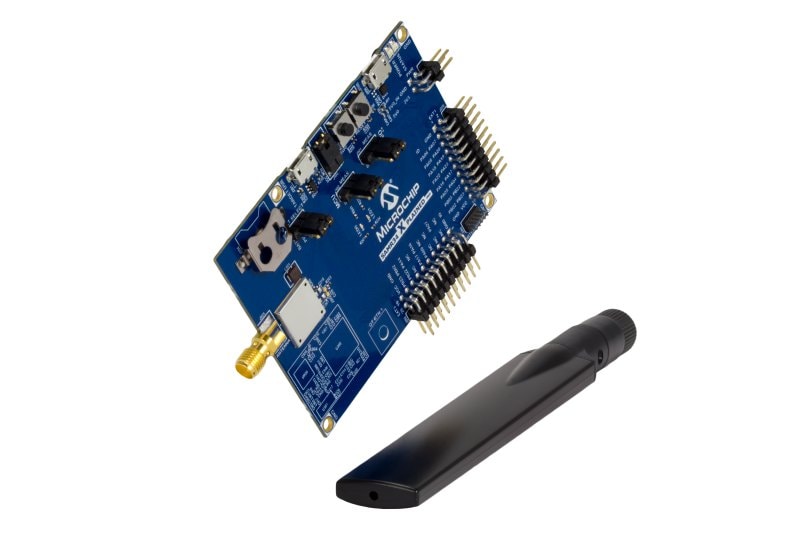
|
||||
|
||||
An evaluation board for the radio certified WLR089 module exists as the WLR089 Xplained Pro, it is compatible with the `samr34-xpro`.
|
||||
|
||||
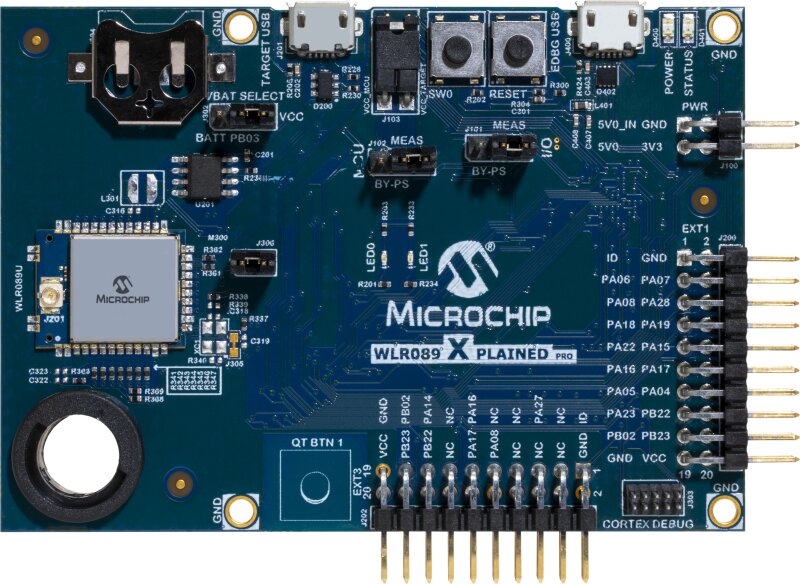
|
||||
|
||||
|
||||
### MCU
|
||||
| MCU | SAMR34J18B |
|
||||
|:---------- |:--------------------- |
|
||||
| Family | ARM Cortex-M0+ |
|
||||
| Vendor | Atmel |
|
||||
| RAM | 32 kiB + 8 kiB battery RAM |
|
||||
| Flash | 256 KiB |
|
||||
| Frequency | up to 48MHz |
|
||||
| FPU | no |
|
||||
| Timers | 6 (3xTC (8,16,32 bit), 3xTCC (16 bit)) |
|
||||
| ADCs | 1x 12-bit (8 channels)|
|
||||
| UARTs | max 5 (shared with SPI and I2C) |
|
||||
| SPIs | max 5 (see UART) |
|
||||
| I2Cs | max 5 (see UART) |
|
||||
| Vcc | 1.8V - 3.6V |
|
||||
| Datasheet | [Datasheet](https://ww1.microchip.com/downloads/en/DeviceDoc/SAMR34-R35-Low-Power-LoRa-Sub-GHz-SiP-Data-Sheet-DS70005356B.pdf) |
|
||||
| Board Manual | [SAM R34 XPro](https://www.microchip.com/en-us/development-tool/DM320111)<br>[WLR089 XPro](https://www.microchip.com/en-us/development-tool/EV23M25A)|
|
||||
|
||||
*/
|
||||
@ -7,7 +7,9 @@
|
||||
*/
|
||||
|
||||
/**
|
||||
* @ingroup boards_samr34-xpro
|
||||
* @defgroup boards_samr34-xpro Microchip SAM R34 Xplained Pro
|
||||
* @ingroup boards
|
||||
* @brief Support for the Microchip SAM R34 Xplained Pro board.
|
||||
* @{
|
||||
*
|
||||
* @file
|
||||
@ -30,50 +32,50 @@ extern "C" {
|
||||
* @name Semtech SX1276 configuration
|
||||
* @{
|
||||
*/
|
||||
#define SX127X_PARAM_SPI SPI_DEV(0) /**< internal SPI */
|
||||
#define SX127X_PARAM_SPI_NSS GPIO_PIN(1, 31) /**< D10 */
|
||||
#define SX127X_PARAM_RESET GPIO_PIN(1, 15) /**< A0 */
|
||||
#define SX127X_PARAM_DIO0 GPIO_PIN(1, 16) /**< D2 */
|
||||
#define SX127X_PARAM_DIO1 GPIO_PIN(0, 11) /**< D3 */
|
||||
#define SX127X_PARAM_DIO2 GPIO_PIN(0, 12) /**< D4 */
|
||||
#define SX127X_PARAM_DIO3 GPIO_PIN(1, 17) /**< D5 */
|
||||
#define SX127X_PARAM_PASELECT SX127X_PA_RFO /**< no boost */
|
||||
#define SX127X_PARAM_SPI (SPI_DEV(0))
|
||||
#define SX127X_PARAM_SPI_NSS GPIO_PIN(1, 31) /* D10 */
|
||||
#define SX127X_PARAM_RESET GPIO_PIN(1, 15) /* A0 */
|
||||
#define SX127X_PARAM_DIO0 GPIO_PIN(1, 16) /* D2 */
|
||||
#define SX127X_PARAM_DIO1 GPIO_PIN(0, 11) /* D3 */
|
||||
#define SX127X_PARAM_DIO2 GPIO_PIN(0, 12) /* D4 */
|
||||
#define SX127X_PARAM_DIO3 GPIO_PIN(1, 17) /* D5 */
|
||||
#define SX127X_PARAM_PASELECT (SX127X_PA_RFO)
|
||||
/** @}*/
|
||||
|
||||
/**
|
||||
* @name Board specific configuration
|
||||
* @{
|
||||
*/
|
||||
#define TCXO_PWR_PIN GPIO_PIN(PA, 9) /**< 32 MHz oscillator for radio enable */
|
||||
#define TX_OUTPUT_SEL_PIN GPIO_PIN(PA, 13) /**< BAND_SEL */
|
||||
#define TCXO_PWR_PIN GPIO_PIN(PA, 9)
|
||||
#define TX_OUTPUT_SEL_PIN GPIO_PIN(PA, 13)
|
||||
/** @}*/
|
||||
|
||||
/**
|
||||
* @name LED pin definitions and handlers
|
||||
* @{
|
||||
*/
|
||||
#define LED_PORT PORT->Group[0] /**< GPIO port */
|
||||
#define LED_PORT PORT->Group[0]
|
||||
|
||||
#define LED0_PIN GPIO_PIN(PA, 18) /**< GPIO pin */
|
||||
#define LED0_MASK (1 << 18) /**< GPIO pin mask */
|
||||
#define LED0_ON (LED_PORT.OUTCLR.reg = LED0_MASK) /**< enable LED */
|
||||
#define LED0_OFF (LED_PORT.OUTSET.reg = LED0_MASK) /**< disable LED */
|
||||
#define LED0_TOGGLE (LED_PORT.OUTTGL.reg = LED0_MASK) /**< toggle LED */
|
||||
#define LED0_PIN GPIO_PIN(PA, 18)
|
||||
#define LED0_MASK (1 << 18)
|
||||
#define LED0_ON (LED_PORT.OUTCLR.reg = LED0_MASK)
|
||||
#define LED0_OFF (LED_PORT.OUTSET.reg = LED0_MASK)
|
||||
#define LED0_TOGGLE (LED_PORT.OUTTGL.reg = LED0_MASK)
|
||||
|
||||
#define LED1_PIN GPIO_PIN(PA, 19) /**< GPIO pin */
|
||||
#define LED1_MASK (1 << 19) /**< GPIO pin mask */
|
||||
#define LED1_ON (LED_PORT.OUTCLR.reg = LED1_MASK) /**< enable LED */
|
||||
#define LED1_OFF (LED_PORT.OUTSET.reg = LED1_MASK) /**< disable LED */
|
||||
#define LED1_TOGGLE (LED_PORT.OUTTGL.reg = LED1_MASK) /**< toggle LED */
|
||||
#define LED1_PIN GPIO_PIN(PA, 19)
|
||||
#define LED1_MASK (1 << 19)
|
||||
#define LED1_ON (LED_PORT.OUTCLR.reg = LED1_MASK)
|
||||
#define LED1_OFF (LED_PORT.OUTSET.reg = LED1_MASK)
|
||||
#define LED1_TOGGLE (LED_PORT.OUTTGL.reg = LED1_MASK)
|
||||
/** @} */
|
||||
|
||||
/**
|
||||
* @name BTN0 (SW0 Button) pin definitions
|
||||
* @{
|
||||
*/
|
||||
#define BTN0_PORT PORT->Group[0] /**< GPIO port */
|
||||
#define BTN0_PIN GPIO_PIN(PA, 28) /**< GPIO pin */
|
||||
#define BTN0_MODE GPIO_IN_PU /**< Pull Up GPIO */
|
||||
#define BTN0_PORT PORT->Group[0]
|
||||
#define BTN0_PIN GPIO_PIN(PA, 28)
|
||||
#define BTN0_MODE GPIO_IN_PU
|
||||
/** @} */
|
||||
|
||||
/**
|
||||
|
||||
@ -29,7 +29,5 @@ config BOARD_STM32F429I_DISC1
|
||||
select BOARD_HAS_LSE
|
||||
|
||||
select HAVE_SAUL_GPIO
|
||||
select HAVE_ILI9341
|
||||
select HAVE_STMPE811_I2C
|
||||
|
||||
source "$(RIOTBOARD)/common/stm32/Kconfig"
|
||||
|
||||
@ -28,7 +28,7 @@ config BOARD_STM32F723E_DISCO
|
||||
select BOARD_HAS_LSE
|
||||
|
||||
select HAVE_SAUL_GPIO
|
||||
select HAVE_FT5X06
|
||||
select HAVE_FT6X06
|
||||
select MODULE_PERIPH_UART_HW_FC if TEST_KCONFIG && HAS_PERIPH_UART_HW_FC
|
||||
# Workaround due to stdout only working with stdin enabled
|
||||
select MODULE_STDIN if TEST_KCONFIG
|
||||
|
||||
@ -5,7 +5,7 @@ ifneq (,$(filter saul_default,$(USEMODULE)))
|
||||
endif
|
||||
|
||||
ifneq (,$(filter touch_dev,$(USEMODULE)))
|
||||
USEMODULE += ft5x06
|
||||
USEMODULE += ft6x06
|
||||
endif
|
||||
|
||||
# TODO: remove the stdin dependency
|
||||
|
||||
@ -68,7 +68,6 @@ extern "C" {
|
||||
#define FT5X06_PARAM_INT_PIN GPIO_PIN(PORT_I, 9) /**< Interrupt pin */
|
||||
#define FT5X06_PARAM_XMAX (240) /**< Max width */
|
||||
#define FT5X06_PARAM_YMAX (240) /**< Max height */
|
||||
#define FT5X06_PARAM_TYPE FT5X06_TYPE_FT6X06 /**< Device type */
|
||||
/** @} */
|
||||
|
||||
/**
|
||||
|
||||
@ -29,6 +29,6 @@ config BOARD_STM32F746G_DISCO
|
||||
select BOARD_HAS_LSE
|
||||
|
||||
select HAVE_SAUL_GPIO
|
||||
select HAVE_FT5X06
|
||||
select HAVE_FT5336
|
||||
|
||||
source "$(RIOTBOARD)/common/stm32/Kconfig"
|
||||
|
||||
@ -11,5 +11,5 @@ ifneq (,$(filter disp_dev,$(USEMODULE)))
|
||||
endif
|
||||
|
||||
ifneq (,$(filter touch_dev,$(USEMODULE)))
|
||||
USEMODULE += ft5x06
|
||||
USEMODULE += ft5336
|
||||
endif
|
||||
|
||||
@ -73,7 +73,6 @@ extern "C" {
|
||||
#define FT5X06_PARAM_INT_PIN GPIO_PIN(PORT_I, 13) /**< Interrupt pin */
|
||||
#define FT5X06_PARAM_XMAX (480) /**< Max width */
|
||||
#define FT5X06_PARAM_YMAX (272) /**< Max height */
|
||||
#define FT5X06_PARAM_TYPE FT5X06_TYPE_FT5336 /**< Device type */
|
||||
/** @} */
|
||||
|
||||
/**
|
||||
|
||||
@ -375,9 +375,6 @@ unsigned msg_avail(void);
|
||||
* not be NULL.
|
||||
* @param[in] num Number of ``msg_t`` structures in array.
|
||||
* **MUST BE POWER OF TWO!**
|
||||
*
|
||||
* If array resides on the stack, the containing stack frame must never be
|
||||
* left, not even if it is the current thread's entry function.
|
||||
*/
|
||||
void msg_init_queue(msg_t *array, int num);
|
||||
|
||||
|
||||
@ -1,5 +1,5 @@
|
||||
/*
|
||||
* Copyright (C) 2014-2017 Freie Universität Berlin
|
||||
* Copyright (C) 2014 Freie Universität Berlin
|
||||
*
|
||||
* This file is subject to the terms and conditions of the GNU Lesser
|
||||
* General Public License v2.1. See the file LICENSE in the top level
|
||||
@ -75,7 +75,6 @@
|
||||
* @brief Scheduler API definition
|
||||
*
|
||||
* @author Kaspar Schleiser <kaspar@schleiser.de>
|
||||
* @author Hauke Petersen <hauke.petersen@fu-berlin.de>
|
||||
*/
|
||||
|
||||
#ifndef SCHED_H
|
||||
@ -253,19 +252,6 @@ extern clist_node_t sched_runqueues[SCHED_PRIO_LEVELS];
|
||||
*/
|
||||
NORETURN void sched_task_exit(void);
|
||||
|
||||
/**
|
||||
* @brief Change the priority of the given thread
|
||||
*
|
||||
* @note This functions expects interrupts to be disabled when called!
|
||||
*
|
||||
* @pre (thread != NULL)
|
||||
* @pre (priority < SCHED_PRIO_LEVELS)
|
||||
*
|
||||
* @param[in,out] thread target thread
|
||||
* @param[in] priority new priority to assign to @p thread
|
||||
*/
|
||||
void sched_change_priority(thread_t *thread, uint8_t priority);
|
||||
|
||||
/**
|
||||
* @brief Set CPU to idle mode (CPU dependent)
|
||||
*
|
||||
|
||||
@ -444,7 +444,7 @@ const char *thread_getname(kernel_pid_t pid);
|
||||
*
|
||||
* Only works if the thread was created with the flag THREAD_CREATE_STACKTEST.
|
||||
*
|
||||
* @param[in] stack the stack you want to measure. Try `thread_get_stackstart(thread_get_active())`
|
||||
* @param[in] stack the stack you want to measure. Try `thread_get_active()->stack_start`
|
||||
*
|
||||
* @return the amount of unused space of the thread's stack
|
||||
*/
|
||||
|
||||
23
core/init.c
23
core/init.c
@ -19,16 +19,19 @@
|
||||
* @}
|
||||
*/
|
||||
|
||||
#include <errno.h>
|
||||
#include <stdbool.h>
|
||||
#include <stdint.h>
|
||||
|
||||
#include "auto_init.h"
|
||||
#include "irq.h"
|
||||
#include <stdbool.h>
|
||||
#include <errno.h>
|
||||
#include "kernel_init.h"
|
||||
#include "log.h"
|
||||
#include "periph/pm.h"
|
||||
#include "thread.h"
|
||||
#include "irq.h"
|
||||
#include "log.h"
|
||||
|
||||
#include "periph/pm.h"
|
||||
|
||||
#ifdef MODULE_AUTO_INIT
|
||||
#include <auto_init.h>
|
||||
#endif
|
||||
|
||||
#define ENABLE_DEBUG 0
|
||||
#include "debug.h"
|
||||
@ -44,9 +47,9 @@ static void *main_trampoline(void *arg)
|
||||
{
|
||||
(void)arg;
|
||||
|
||||
if (IS_USED(MODULE_AUTO_INIT)) {
|
||||
auto_init();
|
||||
}
|
||||
#ifdef MODULE_AUTO_INIT
|
||||
auto_init();
|
||||
#endif
|
||||
|
||||
if (!IS_ACTIVE(CONFIG_SKIP_BOOT_MSG)) {
|
||||
LOG_INFO(CONFIG_BOOT_MSG_STRING "\n");
|
||||
|
||||
119
core/sched.c
119
core/sched.c
@ -1,5 +1,5 @@
|
||||
/*
|
||||
* Copyright (C) 2014-2017 Freie Universität Berlin
|
||||
* Copyright (C) 2014 Freie Universität Berlin
|
||||
*
|
||||
* This file is subject to the terms and conditions of the GNU Lesser
|
||||
* General Public License v2.1. See the file LICENSE in the top level
|
||||
@ -15,7 +15,6 @@
|
||||
*
|
||||
* @author Kaspar Schleiser <kaspar@schleiser.de>
|
||||
* @author René Kijewski <rene.kijewski@fu-berlin.de>
|
||||
* @author Hauke Petersen <hauke.petersen@fu-berlin.de>
|
||||
*
|
||||
* @}
|
||||
*/
|
||||
@ -87,21 +86,21 @@ static void (*sched_cb)(kernel_pid_t active_thread,
|
||||
* and readout away, switching between the two orders depending on the CLZ
|
||||
* instruction availability
|
||||
*/
|
||||
static inline void _set_runqueue_bit(uint8_t priority)
|
||||
static inline void _set_runqueue_bit(thread_t *process)
|
||||
{
|
||||
#if defined(BITARITHM_HAS_CLZ)
|
||||
runqueue_bitcache |= BIT31 >> priority;
|
||||
runqueue_bitcache |= BIT31 >> process->priority;
|
||||
#else
|
||||
runqueue_bitcache |= 1 << priority;
|
||||
runqueue_bitcache |= 1 << process->priority;
|
||||
#endif
|
||||
}
|
||||
|
||||
static inline void _clear_runqueue_bit(uint8_t priority)
|
||||
static inline void _clear_runqueue_bit(thread_t *process)
|
||||
{
|
||||
#if defined(BITARITHM_HAS_CLZ)
|
||||
runqueue_bitcache &= ~(BIT31 >> priority);
|
||||
runqueue_bitcache &= ~(BIT31 >> process->priority);
|
||||
#else
|
||||
runqueue_bitcache &= ~(1 << priority);
|
||||
runqueue_bitcache &= ~(1 << process->priority);
|
||||
#endif
|
||||
}
|
||||
|
||||
@ -219,54 +218,41 @@ thread_t *__attribute__((used)) sched_run(void)
|
||||
return next_thread;
|
||||
}
|
||||
|
||||
/* Note: Forcing the compiler to inline this function will reduce .text for applications
|
||||
* not linking in sched_change_priority(), which benefits the vast majority of apps.
|
||||
*/
|
||||
static inline __attribute__((always_inline)) void _runqueue_push(thread_t *thread, uint8_t priority)
|
||||
{
|
||||
DEBUG("sched_set_status: adding thread %" PRIkernel_pid " to runqueue %" PRIu8 ".\n",
|
||||
thread->pid, priority);
|
||||
clist_rpush(&sched_runqueues[priority], &(thread->rq_entry));
|
||||
_set_runqueue_bit(priority);
|
||||
|
||||
/* some thread entered a runqueue
|
||||
* if it is the active runqueue
|
||||
* inform the runqueue_change callback */
|
||||
#if (IS_USED(MODULE_SCHED_RUNQ_CALLBACK))
|
||||
thread_t *active_thread = thread_get_active();
|
||||
if (active_thread && active_thread->priority == priority) {
|
||||
sched_runq_callback(priority);
|
||||
}
|
||||
#endif
|
||||
}
|
||||
|
||||
/* Note: Forcing the compiler to inline this function will reduce .text for applications
|
||||
* not linking in sched_change_priority(), which benefits the vast majority of apps.
|
||||
*/
|
||||
static inline __attribute__((always_inline)) void _runqueue_pop(thread_t *thread)
|
||||
{
|
||||
DEBUG("sched_set_status: removing thread %" PRIkernel_pid " from runqueue %" PRIu8 ".\n",
|
||||
thread->pid, thread->priority);
|
||||
clist_lpop(&sched_runqueues[thread->priority]);
|
||||
|
||||
if (!sched_runqueues[thread->priority].next) {
|
||||
_clear_runqueue_bit(thread->priority);
|
||||
#if (IS_USED(MODULE_SCHED_RUNQ_CALLBACK))
|
||||
sched_runq_callback(thread->priority);
|
||||
#endif
|
||||
}
|
||||
}
|
||||
|
||||
void sched_set_status(thread_t *process, thread_status_t status)
|
||||
{
|
||||
if (status >= STATUS_ON_RUNQUEUE) {
|
||||
if (!(process->status >= STATUS_ON_RUNQUEUE)) {
|
||||
_runqueue_push(process, process->priority);
|
||||
DEBUG(
|
||||
"sched_set_status: adding thread %" PRIkernel_pid " to runqueue %" PRIu8 ".\n",
|
||||
process->pid, process->priority);
|
||||
clist_rpush(&sched_runqueues[process->priority],
|
||||
&(process->rq_entry));
|
||||
_set_runqueue_bit(process);
|
||||
|
||||
/* some thread entered a runqueue
|
||||
* if it is the active runqueue
|
||||
* inform the runqueue_change callback */
|
||||
#if (IS_USED(MODULE_SCHED_RUNQ_CALLBACK))
|
||||
thread_t *active_thread = thread_get_active();
|
||||
if (active_thread && active_thread->priority == process->priority) {
|
||||
sched_runq_callback(process->priority);
|
||||
}
|
||||
#endif
|
||||
}
|
||||
}
|
||||
else {
|
||||
if (process->status >= STATUS_ON_RUNQUEUE) {
|
||||
_runqueue_pop(process);
|
||||
DEBUG(
|
||||
"sched_set_status: removing thread %" PRIkernel_pid " from runqueue %" PRIu8 ".\n",
|
||||
process->pid, process->priority);
|
||||
clist_lpop(&sched_runqueues[process->priority]);
|
||||
|
||||
if (!sched_runqueues[process->priority].next) {
|
||||
_clear_runqueue_bit(process);
|
||||
#if (IS_USED(MODULE_SCHED_RUNQ_CALLBACK))
|
||||
sched_runq_callback(process->priority);
|
||||
#endif
|
||||
}
|
||||
}
|
||||
}
|
||||
|
||||
@ -320,40 +306,3 @@ void sched_register_cb(void (*callback)(kernel_pid_t, kernel_pid_t))
|
||||
sched_cb = callback;
|
||||
}
|
||||
#endif
|
||||
|
||||
void sched_change_priority(thread_t *thread, uint8_t priority)
|
||||
{
|
||||
assert(thread && (priority < SCHED_PRIO_LEVELS));
|
||||
|
||||
if (thread->priority == priority) {
|
||||
return;
|
||||
}
|
||||
|
||||
unsigned irq_state = irq_disable();
|
||||
|
||||
if (thread_is_active(thread)) {
|
||||
_runqueue_pop(thread);
|
||||
_runqueue_push(thread, priority);
|
||||
}
|
||||
thread->priority = priority;
|
||||
|
||||
irq_restore(irq_state);
|
||||
|
||||
thread_t *active = thread_get_active();
|
||||
|
||||
if ((active == thread)
|
||||
|| ((active != NULL) && (active->priority > priority) && thread_is_active(thread))
|
||||
) {
|
||||
/* If the change in priority would result in a different decision of
|
||||
* the scheduler, we need to yield to make sure the change in priority
|
||||
* takes effect immediately. This can be due to one of the following:
|
||||
*
|
||||
* 1) The priority of the thread currently running has been reduced
|
||||
* (higher numeric value), so that other threads now have priority
|
||||
* over the currently running.
|
||||
* 2) The priority of a pending thread has been increased (lower numeric value) so that it
|
||||
* now has priority over the running thread.
|
||||
*/
|
||||
thread_yield_higher();
|
||||
}
|
||||
}
|
||||
|
||||
@ -92,7 +92,7 @@ uint32_t rtt_get_counter(void)
|
||||
void rtt_set_counter(uint32_t counter)
|
||||
{
|
||||
rtt_alarm -= rtt_offset;
|
||||
rtt_offset = _rtt_get_counter() - counter;
|
||||
rtt_offset = _rtt_get_counter() + counter;
|
||||
rtt_alarm += rtt_offset;
|
||||
|
||||
/* re-set the overflow callback */
|
||||
|
||||
@ -137,9 +137,6 @@ void reset_handler_default(void)
|
||||
}
|
||||
|
||||
#ifdef CPU_HAS_BACKUP_RAM
|
||||
#if BACKUP_RAM_HAS_INIT
|
||||
backup_ram_init();
|
||||
#endif
|
||||
if (!cpu_woke_from_backup() ||
|
||||
CPU_BACKUP_RAM_NOT_RETAINED) {
|
||||
|
||||
@ -161,7 +158,10 @@ void reset_handler_default(void)
|
||||
#endif /* CPU_HAS_BACKUP_RAM */
|
||||
|
||||
#ifdef MODULE_MPU_NOEXEC_RAM
|
||||
/* This marks the memory region from 0x20000000 to 0x3FFFFFFF as non
|
||||
/* Mark the RAM non executable. This is a protection mechanism which
|
||||
* makes exploitation of buffer overflows significantly harder.
|
||||
*
|
||||
* This marks the memory region from 0x20000000 to 0x3FFFFFFF as non
|
||||
* executable. This is the Cortex-M SRAM region used for on-chip RAM.
|
||||
*/
|
||||
mpu_configure(
|
||||
|
||||
@ -18,8 +18,6 @@ config CPU_FAM_ESP32
|
||||
select HAS_ESP_WIFI_ENTERPRISE
|
||||
select HAS_PERIPH_ADC_CTRL
|
||||
|
||||
select PACKAGE_ESP32_SDK if TEST_KCONFIG
|
||||
select PACKAGE_ESP32_SDK_LIBS if TEST_KCONFIG
|
||||
select MODULE_PERIPH_RTT if HAS_PERIPH_RTT && MODULE_PM_LAYERED
|
||||
select MODULE_RTT_RTC if HAS_PERIPH_RTT && MODULE_PERIPH_RTC
|
||||
select MODULE_PS if MODULE_SHELL
|
||||
|
||||
@ -2,9 +2,6 @@
|
||||
|
||||
include $(RIOTCPU)/esp_common/Makefile.dep
|
||||
|
||||
USEPKG += esp32_sdk
|
||||
USEPKG += esp32_sdk_libs
|
||||
|
||||
USEMODULE += esp_idf_driver
|
||||
USEMODULE += esp_idf_esp32
|
||||
USEMODULE += esp_idf_soc
|
||||
|
||||
@ -1,3 +1,12 @@
|
||||
# check some environment variables first
|
||||
ifndef ESP32_SDK_DIR
|
||||
$(info ESP32_SDK_DIR should be defined as /path/to/esp-idf directory)
|
||||
$(info ESP32_SDK_DIR is set by default to /opt/esp/esp-idf)
|
||||
export ESP32_SDK_DIR=/opt/esp/esp-idf
|
||||
endif
|
||||
|
||||
ESP_SDK_DIR = $(ESP32_SDK_DIR)
|
||||
|
||||
# ESP32 specific flashing options
|
||||
FLASH_CHIP = esp32
|
||||
FLASH_MODE ?= dout
|
||||
@ -26,23 +35,21 @@ INCLUDES += -I$(RIOTCPU)/$(CPU)/vendor/esp-idf/include/esp32
|
||||
INCLUDES += -I$(RIOTCPU)/$(CPU)/vendor/esp-idf/include/heap
|
||||
INCLUDES += -I$(RIOTCPU)/$(CPU)/vendor/esp-idf/include/spi_flash
|
||||
INCLUDES += -I$(RIOTCPU)/$(CPU)/vendor/esp-idf/include/tcpip_adapter
|
||||
INCLUDES += -I$(ESP32_SDK_DIR)/components/
|
||||
INCLUDES += -I$(ESP32_SDK_DIR)/components/driver/include
|
||||
INCLUDES += -I$(ESP32_SDK_DIR)/components/esp32/include
|
||||
INCLUDES += -I$(ESP32_SDK_DIR)/components/heap/include
|
||||
INCLUDES += -I$(ESP32_SDK_DIR)/components/soc/esp32/include
|
||||
INCLUDES += -I$(ESP32_SDK_DIR)/components/soc/include
|
||||
INCLUDES += -I$(RIOTCPU)/$(CPU)
|
||||
|
||||
ifneq (,$(filter esp_eth,$(USEMODULE)))
|
||||
INCLUDES += -I$(RIOTCPU)/$(CPU)/vendor/esp-idf/include/ethernet
|
||||
INCLUDES += -I$(ESP32_SDK_DIR)/components/ethernet/include
|
||||
endif
|
||||
|
||||
CFLAGS += -DSDK_NOT_USED -DCONFIG_FREERTOS_UNICORE=1 -DESP_PLATFORM
|
||||
CFLAGS += -DLOG_TAG_IN_BRACKETS
|
||||
CFLAGS += -D_CONST=const
|
||||
|
||||
ifneq (,$(filter pthread,$(USEMODULE)))
|
||||
# The toolchain provides POSIX type definitions for pthread which
|
||||
# conflicts with that in RIOT. With the following CFLAGS/CXXFLAGS skip
|
||||
# the inclusion of the types shipped by the toolchain.
|
||||
CFLAGS += -D_SYS__PTHREADTYPES_H_
|
||||
CXXFLAGS += -D_SYS__PTHREADTYPES_H_
|
||||
endif
|
||||
|
||||
LINKFLAGS += -L$(RIOTCPU)/$(CPU)/ld/
|
||||
LINKFLAGS += -T$(RIOTCPU)/$(CPU)/ld/esp32.ld
|
||||
|
||||
@ -408,13 +408,31 @@ export PATH=$PATH:$HOME/esp/xtensa-esp32-elf/bin
|
||||
|
||||
[Back to table of contents](#esp32_toc)
|
||||
|
||||
### ESP-IDF (Espressif IoT Development Framework) {#esp32_installation_of_esp_idf}
|
||||
### Installation of ESP-IDF (Espressif IoT Development Framework) {#esp32_installation_of_esp_idf}
|
||||
|
||||
RIOT-OS uses the ESP-IDF, the official SDK from Espressif, as part of the
|
||||
build. It is downloaded as a package at build-time and there is no need to
|
||||
install it separately.
|
||||
ESP-IDF, the official SDK from Espressif, can be downloaded and installed as GIT repository.
|
||||
|
||||
### Installation of `esptool.py` (ESP flash programmer tool) {#esp32_installation_of_esptool}
|
||||
~~~~~~~~~~~~~~~~~~~~~~~~~~~~~~~~~~~~~~~~~~~~~~~~~~~~~~~~~~~~~~~~~~~~~~~~~~~~~~~~~~~~~~~~~~~~~~~~
|
||||
cd $HOME/esp
|
||||
git clone https://github.com/espressif/esp-idf.git
|
||||
cd esp-idf
|
||||
git checkout f198339ec09e90666150672884535802304d23ec
|
||||
git submodule init
|
||||
git submodule update
|
||||
~~~~~~~~~~~~~~~~~~~~~~~~~~~~~~~~~~~~~~~~~~~~~~~~~~~~~~~~~~~~~~~~~~~~~~~~~~~~~~~~~~~~~~~~~~~~~~~~
|
||||
|
||||
@note Please take care to checkout correct branches which were used for the port. Newer versions
|
||||
might also work but were not tested.
|
||||
|
||||
Since we only use a few header files, ESP-IDF does not need to be compiled in any way. To use the
|
||||
installed ESP-IDF, just set the variable `ESP32_SDK_DIR` accordingly.
|
||||
~~~~~~~~~~~~~~~~~~~~~~~~~~~~~~~~~~~~~~~~~~~~~~~~~~~~~~~~~~~~~~~~~~~~~~~~~~~~~~~~~~~~~~~~~~~~~~~~
|
||||
export ESP32_SDK_DIR=$HOME/esp/esp-idf
|
||||
~~~~~~~~~~~~~~~~~~~~~~~~~~~~~~~~~~~~~~~~~~~~~~~~~~~~~~~~~~~~~~~~~~~~~~~~~~~~~~~~~~~~~~~~~~~~~~~~
|
||||
|
||||
[Back to table of contents](#esp32_toc)
|
||||
|
||||
### Installation of esptool.py (ESP flash programmer tool) {#esp32_installation_of_esptool}
|
||||
|
||||
The RIOT port does not work with the `esptool.py` ESP flasher program
|
||||
available on [GitHub](https://github.com/espressif/esptool) or
|
||||
|
||||
@ -28,15 +28,6 @@
|
||||
extern "C" {
|
||||
#endif
|
||||
|
||||
/**
|
||||
* @brief SDK version number
|
||||
*
|
||||
* Determined with `git describe --tags` in `$ESP32_SDK_DIR`
|
||||
*/
|
||||
#if !defined(IDF_VER) || DOXYGEN
|
||||
#include "esp32_idf_version.h"
|
||||
#endif
|
||||
|
||||
/**
|
||||
* @name Clock configuration
|
||||
* @{
|
||||
@ -111,9 +102,7 @@ extern "C" {
|
||||
#define CONFIG_SYSTEM_EVENT_TASK_STACK_SIZE 2048
|
||||
#define CONFIG_NUMBER_OF_UNIVERSAL_MAC_ADDRESS 4
|
||||
|
||||
#ifdef MODULE_NEWLIB_NANO
|
||||
#define CONFIG_NEWLIB_NANO_FORMAT 1
|
||||
#endif
|
||||
#define CONFIG_ESP32_DEEP_SLEEP_WAKEUP_DELAY 2000
|
||||
|
||||
/**
|
||||
|
||||
@ -1,73 +0,0 @@
|
||||
/*
|
||||
* Copyright (C) 2022 Gunar Schorcht
|
||||
*
|
||||
* This file is subject to the terms and conditions of the GNU Lesser
|
||||
* General Public License v2.1. See the file LICENSE in the top level
|
||||
* directory for more details.
|
||||
*/
|
||||
|
||||
/**
|
||||
* @ingroup cpu_esp32
|
||||
* @{
|
||||
*
|
||||
* @file
|
||||
* @brief Wrapper for sys/lock.h
|
||||
*
|
||||
* @author Gunar Schorcht <gunar@schorcht.net>
|
||||
*
|
||||
* This file is a wrapper for sys/lock.h to ensure source code compatibility
|
||||
* even if retargetable locking is enabled in newlib.
|
||||
*/
|
||||
|
||||
#ifndef SYS_LOCK_H
|
||||
#define SYS_LOCK_H
|
||||
|
||||
#ifndef DOXYGEN
|
||||
|
||||
#ifdef __cplusplus
|
||||
extern "C" {
|
||||
#endif
|
||||
|
||||
#include_next <sys/lock.h>
|
||||
|
||||
#if defined(_RETARGETABLE_LOCKING)
|
||||
|
||||
/*
|
||||
* The structured lock type has to be large enough to hold a recursive mutex.
|
||||
* Since `rmutex.h` cannot be included in this stage of header inclusion,
|
||||
* `sizeof` cannot be used here and an array of sufficient size has to be
|
||||
* defined. This is ensured by a `static_assert` in `cpu/esp_common/syscalls.c`.
|
||||
*/
|
||||
typedef struct __lock {
|
||||
void *reserved[2];
|
||||
} __lock_t;
|
||||
|
||||
#endif /* defined(_RETARGETABLE_LOCKING) */
|
||||
|
||||
/*
|
||||
* Declarations for source code compatibility. These functions were used
|
||||
* in earlier newlib versions. In newer newlib versions, either the
|
||||
* __lock_* or __retarget_* functions are used. They are still used in
|
||||
* ESP-IDF.
|
||||
*/
|
||||
|
||||
typedef _LOCK_T _lock_t;
|
||||
|
||||
void _lock_init(_lock_t *lock);
|
||||
void _lock_init_recursive(_lock_t *lock);
|
||||
void _lock_close(_lock_t *lock);
|
||||
void _lock_close_recursive(_lock_t *lock);
|
||||
void _lock_acquire(_lock_t *lock);
|
||||
void _lock_acquire_recursive(_lock_t *lock);
|
||||
int _lock_try_acquire(_lock_t *lock);
|
||||
int _lock_try_acquire_recursive(_lock_t *lock);
|
||||
void _lock_release(_lock_t *lock);
|
||||
void _lock_release_recursive(_lock_t *lock);
|
||||
|
||||
#ifdef __cplusplus
|
||||
}
|
||||
#endif
|
||||
|
||||
#endif /* DOXYGEN */
|
||||
#endif /* SYS_LOCK_H */
|
||||
/** @} */
|
||||
@ -28,7 +28,7 @@ extern "C" {
|
||||
#endif
|
||||
|
||||
/** Time since boot in us (64bit version) */
|
||||
int64_t system_get_time_64 (void);
|
||||
uint64_t system_get_time_64 (void);
|
||||
|
||||
/** initialize system watchdog timer and start it */
|
||||
void system_wdt_init (void);
|
||||
|
||||
@ -82,6 +82,14 @@ struct _pwm_hw_t {
|
||||
const gpio_t* gpios; /* GPIOs used as channel outputs */
|
||||
};
|
||||
|
||||
#ifdef PWM0_GPIOS
|
||||
static const gpio_t _pwm_channel_gpios_0[] = PWM0_GPIOS;
|
||||
#endif
|
||||
|
||||
#ifdef PWM1_GPIOS
|
||||
static const gpio_t _pwm_channel_gpios_1[] = PWM1_GPIOS;
|
||||
#endif
|
||||
|
||||
/* static configuration of PWM devices */
|
||||
static const struct _pwm_hw_t _pwm_hw[] =
|
||||
{
|
||||
|
||||
@ -24,7 +24,6 @@
|
||||
#include <string.h>
|
||||
#include <sys/reent.h>
|
||||
|
||||
#include "macros/units.h"
|
||||
#include "board.h"
|
||||
#include "esp_attr.h"
|
||||
#include "exceptions.h"
|
||||
@ -70,6 +69,7 @@
|
||||
#define ENABLE_DEBUG 0
|
||||
#include "debug.h"
|
||||
|
||||
#define MHZ 1000000UL
|
||||
#define STRINGIFY(s) STRINGIFY2(s)
|
||||
#define STRINGIFY2(s) #s
|
||||
|
||||
@ -156,9 +156,6 @@ NORETURN void IRAM call_start_cpu0 (void)
|
||||
ets_printf("%02x", cpu_id[i]);
|
||||
}
|
||||
ets_printf("\n");
|
||||
|
||||
extern char* esp_get_idf_version(void);
|
||||
LOG_STARTUP("ESP-IDF SDK Version %s\n\n", esp_get_idf_version());
|
||||
#endif
|
||||
|
||||
if (reset_reason == DEEPSLEEP_RESET) {
|
||||
@ -170,7 +167,7 @@ NORETURN void IRAM call_start_cpu0 (void)
|
||||
|
||||
LOG_STARTUP("Current clocks in Hz: CPU=%d APB=%d XTAL=%d SLOW=%d\n",
|
||||
rtc_clk_cpu_freq_value(rtc_clk_cpu_freq_get()),
|
||||
rtc_clk_apb_freq_get(), MHZ(rtc_clk_xtal_freq_get()),
|
||||
rtc_clk_apb_freq_get(), rtc_clk_xtal_freq_get()*MHZ,
|
||||
rtc_clk_slow_freq_get_hz());
|
||||
|
||||
if (IS_ACTIVE(ENABLE_DEBUG)) {
|
||||
@ -259,7 +256,7 @@ static void IRAM system_clk_init (void)
|
||||
set to 2 MHz and handled later */
|
||||
}
|
||||
|
||||
uint32_t freq_before = rtc_clk_cpu_freq_value(rtc_clk_cpu_freq_get()) / MHZ(1);
|
||||
uint32_t freq_before = rtc_clk_cpu_freq_value(rtc_clk_cpu_freq_get()) / MHZ;
|
||||
|
||||
if (freq_before != CONFIG_ESP32_DEFAULT_CPU_FREQ_MHZ) {
|
||||
/* set configured CPU frequency */
|
||||
@ -327,7 +324,7 @@ static NORETURN void IRAM system_init (void)
|
||||
/* print some infos */
|
||||
LOG_STARTUP("Used clocks in Hz: CPU=%d APB=%d XTAL=%d FAST=%d SLOW=%d\n",
|
||||
rtc_clk_cpu_freq_value(rtc_clk_cpu_freq_get()),
|
||||
rtc_clk_apb_freq_get(), MHZ(rtc_clk_xtal_freq_get()),
|
||||
rtc_clk_apb_freq_get(), rtc_clk_xtal_freq_get()*MHZ,
|
||||
RTC_FAST_FREQ_8M_MHZ, rtc_clk_slow_freq_get_hz());
|
||||
LOG_STARTUP("XTAL calibration value: %d\n", esp_clk_slowclk_cal_get());
|
||||
LOG_STARTUP("Heap free: %u bytes\n", get_free_heap_size());
|
||||
@ -336,10 +333,6 @@ static NORETURN void IRAM system_init (void)
|
||||
/* initialize stdio */
|
||||
stdio_init();
|
||||
|
||||
/* disable buffering in stdio */
|
||||
setvbuf(_stdout_r(_REENT), NULL, _IONBF, 0);
|
||||
setvbuf(_stderr_r(_REENT), NULL, _IONBF, 0);
|
||||
|
||||
/* trigger static peripheral initialization */
|
||||
periph_init();
|
||||
|
||||
|
||||
@ -18,12 +18,8 @@
|
||||
* @}
|
||||
*/
|
||||
|
||||
#include <stdlib.h>
|
||||
#include <sys/lock.h>
|
||||
#include <sys/unistd.h>
|
||||
#include <sys/time.h>
|
||||
|
||||
#include "div.h"
|
||||
#include "esp/common_macros.h"
|
||||
#include "irq_arch.h"
|
||||
#include "periph_cpu.h"
|
||||
@ -31,7 +27,6 @@
|
||||
#include "syscalls.h"
|
||||
#include "timex.h"
|
||||
|
||||
#include "macros/units.h"
|
||||
#include "rom/ets_sys.h"
|
||||
#include "rom/libc_stubs.h"
|
||||
#include "soc/rtc.h"
|
||||
@ -48,6 +43,8 @@
|
||||
#define ENABLE_DEBUG 0
|
||||
#include "debug.h"
|
||||
|
||||
#define MHZ 1000000UL
|
||||
|
||||
#ifdef MODULE_ESP_IDF_HEAP
|
||||
|
||||
/* if module esp_idf_heap is used, this function has to be defined for ESP32 */
|
||||
@ -94,55 +91,6 @@ void _exit_r(struct _reent *r, int status)
|
||||
_exit(status);
|
||||
}
|
||||
|
||||
#if !IS_USED(MODULE_VFS)
|
||||
int _fcntl_r(struct _reent *r, int fd, int cmd, int arg)
|
||||
__attribute__((weak,alias("_no_sys_func")));
|
||||
#endif
|
||||
|
||||
#ifndef CLOCK_REALTIME
|
||||
#define CLOCK_REALTIME (clockid_t)1
|
||||
#endif
|
||||
|
||||
#ifndef CLOCK_MONOTONIC
|
||||
#define CLOCK_MONOTONIC (clockid_t)4
|
||||
#endif
|
||||
|
||||
int clock_gettime_r(struct _reent *r, clockid_t clock_id, struct timespec *tp)
|
||||
{
|
||||
if (tp == NULL) {
|
||||
r->_errno = EINVAL;
|
||||
return -1;
|
||||
}
|
||||
|
||||
struct timeval tv;
|
||||
uint64_t now = 0;
|
||||
|
||||
switch (clock_id) {
|
||||
case CLOCK_REALTIME:
|
||||
if (_gettimeofday_r(r, &tv, NULL)) {
|
||||
return -1;
|
||||
}
|
||||
tp->tv_sec = tv.tv_sec;
|
||||
tp->tv_nsec = tv.tv_usec * NS_PER_US;
|
||||
break;
|
||||
case CLOCK_MONOTONIC:
|
||||
now = system_get_time_64();
|
||||
tp->tv_sec = div_u64_by_1000000(now);
|
||||
tp->tv_nsec = (now - (tp->tv_sec * US_PER_SEC)) * NS_PER_US;
|
||||
break;
|
||||
default:
|
||||
r->_errno = EINVAL;
|
||||
return -1;
|
||||
}
|
||||
|
||||
return 0;
|
||||
}
|
||||
|
||||
int clock_gettime(clockid_t clock_id, struct timespec *tp)
|
||||
{
|
||||
return clock_gettime_r(_GLOBAL_REENT, clock_id, tp);
|
||||
}
|
||||
|
||||
static int _no_sys_func(struct _reent *r)
|
||||
{
|
||||
DEBUG("%s: system function does not exist\n", __func__);
|
||||
@ -172,8 +120,8 @@ static struct syscall_stub_table s_stub_table =
|
||||
._calloc_r = &_calloc_r,
|
||||
._sbrk_r = &_sbrk_r,
|
||||
|
||||
._system_r = (void *)&_no_sys_func,
|
||||
._raise_r = (void *)&_no_sys_func,
|
||||
._system_r = (int (*)(struct _reent *, const char*))&_no_sys_func,
|
||||
._raise_r = (void (*)(struct _reent *))&_no_sys_func,
|
||||
._abort = &_abort,
|
||||
._exit_r = &_exit_r,
|
||||
._getpid_r = &_getpid_r,
|
||||
@ -190,8 +138,8 @@ static struct syscall_stub_table s_stub_table =
|
||||
._write_r = (int (*)(struct _reent *r, int, const void *, int))&_write_r,
|
||||
._read_r = (int (*)(struct _reent *r, int, void *, int))&_read_r,
|
||||
._unlink_r = &_unlink_r,
|
||||
._link_r = (void *)&_no_sys_func,
|
||||
._rename_r = (void *)&_no_sys_func,
|
||||
._link_r = (int (*)(struct _reent *r, const char*, const char*))&_no_sys_func,
|
||||
._rename_r = (int (*)(struct _reent *r, const char*, const char*))&_no_sys_func,
|
||||
|
||||
._lock_init = &_lock_init,
|
||||
._lock_init_recursive = &_lock_init_recursive,
|
||||
@ -216,7 +164,7 @@ static struct syscall_stub_table s_stub_table =
|
||||
void IRAM syscalls_init_arch(void)
|
||||
{
|
||||
/* enable the system timer in us (TMG0 is enabled by default) */
|
||||
TIMER_SYSTEM.config.divider = rtc_clk_apb_freq_get() / MHZ(1);
|
||||
TIMER_SYSTEM.config.divider = rtc_clk_apb_freq_get()/MHZ;
|
||||
TIMER_SYSTEM.config.autoreload = 0;
|
||||
TIMER_SYSTEM.config.enable = 1;
|
||||
|
||||
@ -237,7 +185,7 @@ uint32_t system_get_time_ms(void)
|
||||
return system_get_time_64() / US_PER_MS;
|
||||
}
|
||||
|
||||
int64_t system_get_time_64(void)
|
||||
uint64_t system_get_time_64(void)
|
||||
{
|
||||
uint64_t ret;
|
||||
/* latch 64 bit timer value before read */
|
||||
|
||||
2
cpu/esp32/vendor/esp-idf/esp32/sleep_modes.c
vendored
2
cpu/esp32/vendor/esp-idf/esp32/sleep_modes.c
vendored
@ -12,7 +12,7 @@
|
||||
// See the License for the specific language governing permissions and
|
||||
// limitations under the License.
|
||||
|
||||
#include <stdlib.h>
|
||||
#include <stddef.h>
|
||||
#include <sys/lock.h>
|
||||
#include <sys/param.h>
|
||||
#include "esp_attr.h"
|
||||
|
||||
@ -411,8 +411,8 @@ wifi_osi_funcs_t g_wifi_osi_funcs = {
|
||||
._version = ESP_WIFI_OS_ADAPTER_VERSION,
|
||||
._set_isr = set_isr_wrapper,
|
||||
#ifdef RIOT_VERSION
|
||||
._ints_on = (void *)xt_ints_on,
|
||||
._ints_off = (void *)xt_ints_off,
|
||||
._ints_on = (void (*)(unsigned int))xt_ints_on,
|
||||
._ints_off = (void (*)(unsigned int))xt_ints_off,
|
||||
#else
|
||||
._ints_on = xt_ints_on,
|
||||
._ints_off = xt_ints_off,
|
||||
|
||||
5
cpu/esp32/vendor/esp-idf/esp_funcs.c
vendored
5
cpu/esp32/vendor/esp-idf/esp_funcs.c
vendored
@ -482,11 +482,6 @@ void IRAM_ATTR esp_restart_noos(void)
|
||||
}
|
||||
}
|
||||
|
||||
const char* esp_get_idf_version(void)
|
||||
{
|
||||
return IDF_VER;
|
||||
}
|
||||
|
||||
/*
|
||||
* source: /path/to/esp-idf/components/wpa_supplicant/port/os_xtensa.c
|
||||
*/
|
||||
|
||||
4
cpu/esp32/vendor/esp-idf/heap/heap_caps.c
vendored
4
cpu/esp32/vendor/esp-idf/heap/heap_caps.c
vendored
@ -309,7 +309,7 @@ IRAM_ATTR void *heap_caps_calloc( size_t n, size_t size, uint32_t caps)
|
||||
void *r;
|
||||
r = heap_caps_malloc(n*size, caps);
|
||||
if (r != NULL) {
|
||||
memset(r, 0, n*size);
|
||||
bzero(r, n*size);
|
||||
}
|
||||
return r;
|
||||
}
|
||||
@ -347,7 +347,7 @@ size_t heap_caps_get_largest_free_block( uint32_t caps )
|
||||
|
||||
void heap_caps_get_info( multi_heap_info_t *info, uint32_t caps )
|
||||
{
|
||||
memset(info, 0, sizeof(multi_heap_info_t));
|
||||
bzero(info, sizeof(multi_heap_info_t));
|
||||
|
||||
heap_t *heap;
|
||||
SLIST_FOREACH(heap, ®istered_heaps, next) {
|
||||
|
||||
2
cpu/esp32/vendor/esp-idf/heap/heap_trace.c
vendored
2
cpu/esp32/vendor/esp-idf/heap/heap_trace.c
vendored
@ -290,7 +290,7 @@ inline static uint32_t get_ccount(void)
|
||||
static IRAM_ATTR __attribute__((noinline)) void get_call_stack(void **callers)
|
||||
{
|
||||
const int offset = 2; // Caller is 2 stack frames deeper than we care about
|
||||
memset(callers, 0, sizeof(void *) * STACK_DEPTH);
|
||||
bzero(callers, sizeof(void *) * STACK_DEPTH);
|
||||
TEST_STACK(0);
|
||||
TEST_STACK(1);
|
||||
TEST_STACK(2);
|
||||
|
||||
1
cpu/esp32/vendor/esp-idf/nvs_flash/Kconfig
vendored
1
cpu/esp32/vendor/esp-idf/nvs_flash/Kconfig
vendored
@ -9,7 +9,6 @@ config MODULE_ESP_IDF_NVS_FLASH
|
||||
bool
|
||||
depends on TEST_KCONFIG
|
||||
depends on MODULE_ESP_IDF
|
||||
select MODULE_CPP
|
||||
select MODULE_MTD
|
||||
help
|
||||
Non-volatile storage library.
|
||||
|
||||
1
cpu/esp32/vendor/esp-idf/nvs_flash/Makefile
vendored
1
cpu/esp32/vendor/esp-idf/nvs_flash/Makefile
vendored
@ -3,6 +3,7 @@ MODULE=esp_idf_nvs_flash
|
||||
include $(RIOTBASE)/Makefile.base
|
||||
|
||||
CFLAGS += -DESP_PLATFORM
|
||||
CXXFLAGS += -std=c++11
|
||||
INCLUDES += -I$(RIOTCPU)/$(CPU)/vendor/esp-idf/include/log
|
||||
INCLUDES += -I$(ESP32_SDK_DIR)/components/nvs_flash/include
|
||||
INCLUDES += -I$(ESP32_SDK_DIR)/components/spi_flash/include
|
||||
|
||||
@ -4,13 +4,13 @@ include $(RIOTBASE)/Makefile.base
|
||||
|
||||
# we have to do it in that way to avoid that $(RIOTBASE)/sys/include/crypto
|
||||
# is found first
|
||||
PRE_INCLUDES += -I$(RIOTCPU)/$(CPU)/vendor/esp-idf/wpa_supplicant/port/include
|
||||
PRE_INCLUDES += -I$(ESP32_SDK_DIR)/components/wpa_supplicant/include
|
||||
PRE_INCLUDES += -I$(ESP32_SDK_DIR)/components/wpa_supplicant/port/include
|
||||
INCLUDES = -I$(RIOTCPU)/$(CPU)/vendor/esp-idf/wpa_supplicant/port/include
|
||||
INCLUDES += -I$(ESP32_SDK_DIR)/components/wpa_supplicant/include
|
||||
INCLUDES += -I$(ESP32_SDK_DIR)/components/wpa_supplicant/port/include
|
||||
CFLAGS += -D__ets__
|
||||
|
||||
include $(RIOTCPU)/$(CPU)/Makefile.include
|
||||
|
||||
# This converts INCLUDES to a simply evaluated variable instead of a recursively
|
||||
# one but only for this module.
|
||||
INCLUDES := $(PRE_INCLUDES) $(INCLUDES)
|
||||
INCLUDES += -I$(RIOTBASE)/core/include
|
||||
INCLUDES += -I$(RIOTBASE)/drivers/include
|
||||
INCLUDES += -I$(RIOTCPU)/$(CPU)/include
|
||||
|
||||
@ -1,240 +0,0 @@
|
||||
/*-
|
||||
* Copyright (c) 2002 Thomas Moestl <tmm@FreeBSD.org>
|
||||
* All rights reserved.
|
||||
*
|
||||
* Redistribution and use in source and binary forms, with or without
|
||||
* modification, are permitted provided that the following conditions
|
||||
* are met:
|
||||
* 1. Redistributions of source code must retain the above copyright
|
||||
* notice, this list of conditions and the following disclaimer.
|
||||
* 2. Redistributions in binary form must reproduce the above copyright
|
||||
* notice, this list of conditions and the following disclaimer in the
|
||||
* documentation and/or other materials provided with the distribution.
|
||||
*
|
||||
* THIS SOFTWARE IS PROVIDED BY THE AUTHOR AND CONTRIBUTORS ``AS IS'' AND
|
||||
* ANY EXPRESS OR IMPLIED WARRANTIES, INCLUDING, BUT NOT LIMITED TO, THE
|
||||
* IMPLIED WARRANTIES OF MERCHANTABILITY AND FITNESS FOR A PARTICULAR PURPOSE
|
||||
* ARE DISCLAIMED. IN NO EVENT SHALL THE AUTHOR OR CONTRIBUTORS BE LIABLE
|
||||
* FOR ANY DIRECT, INDIRECT, INCIDENTAL, SPECIAL, EXEMPLARY, OR CONSEQUENTIAL
|
||||
* DAMAGES (INCLUDING, BUT NOT LIMITED TO, PROCUREMENT OF SUBSTITUTE GOODS
|
||||
* OR SERVICES; LOSS OF USE, DATA, OR PROFITS; OR BUSINESS INTERRUPTION)
|
||||
* HOWEVER CAUSED AND ON ANY THEORY OF LIABILITY, WHETHER IN CONTRACT, STRICT
|
||||
* LIABILITY, OR TORT (INCLUDING NEGLIGENCE OR OTHERWISE) ARISING IN ANY WAY
|
||||
* OUT OF THE USE OF THIS SOFTWARE, EVEN IF ADVISED OF THE POSSIBILITY OF
|
||||
* SUCH DAMAGE.
|
||||
*
|
||||
* $FreeBSD$
|
||||
*/
|
||||
|
||||
#ifndef ENDIAN_H
|
||||
#define ENDIAN_H
|
||||
|
||||
#ifdef __cplusplus
|
||||
extern "C" {
|
||||
#endif
|
||||
|
||||
#include "byteswap.h"
|
||||
|
||||
#ifndef BIG_ENDIAN
|
||||
#define BIG_ENDIAN 4321
|
||||
#endif
|
||||
#ifndef LITTLE_ENDIAN
|
||||
#define LITTLE_ENDIAN 1234
|
||||
#endif
|
||||
|
||||
#ifndef BYTE_ORDER
|
||||
#ifdef __IEEE_LITTLE_ENDIAN
|
||||
#define BYTE_ORDER LITTLE_ENDIAN
|
||||
#else
|
||||
#define BYTE_ORDER BIG_ENDIAN
|
||||
#endif
|
||||
#endif
|
||||
|
||||
#define _UINT8_T_DECLARED
|
||||
#ifndef _UINT8_T_DECLARED
|
||||
typedef __uint8_t uint8_t;
|
||||
#define _UINT8_T_DECLARED
|
||||
#endif
|
||||
|
||||
#define _UINT16_T_DECLARED
|
||||
#ifndef _UINT16_T_DECLARED
|
||||
typedef __uint16_t uint16_t;
|
||||
#define _UINT16_T_DECLARED
|
||||
#endif
|
||||
|
||||
#define _UINT32_T_DECLARED
|
||||
#ifndef _UINT32_T_DECLARED
|
||||
typedef __uint32_t uint32_t;
|
||||
#define _UINT32_T_DECLARED
|
||||
#endif
|
||||
|
||||
#define _UINT64_T_DECLARED
|
||||
#ifndef _UINT64_T_DECLARED
|
||||
typedef __uint64_t uint64_t;
|
||||
#define _UINT64_T_DECLARED
|
||||
#endif
|
||||
|
||||
/*
|
||||
* General byte order swapping functions.
|
||||
*/
|
||||
#define bswap16(x) __bswap16(x)
|
||||
#define bswap32(x) __bswap32(x)
|
||||
#define bswap64(x) __bswap64(x)
|
||||
|
||||
/*
|
||||
* Host to big endian, host to little endian, big endian to host, and little
|
||||
* endian to host byte order functions as detailed in byteorder(9).
|
||||
*/
|
||||
#if 1 //BYTE_ORDER == _LITTLE_ENDIAN
|
||||
#if __GNUC__ <= 5
|
||||
#define __bswap16 __bswap_16
|
||||
#define __bswap32 __bswap_32
|
||||
#endif
|
||||
#define htobe16(x) bswap16((x))
|
||||
#define htobe32(x) bswap32((x))
|
||||
#define htobe64(x) bswap64((x))
|
||||
#define htole16(x) ((uint16_t)(x))
|
||||
#define htole32(x) ((uint32_t)(x))
|
||||
#define htole64(x) ((uint64_t)(x))
|
||||
|
||||
#define be16toh(x) bswap16((x))
|
||||
#define be32toh(x) bswap32((x))
|
||||
#define be64toh(x) bswap64((x))
|
||||
#define le16toh(x) ((uint16_t)(x))
|
||||
#define le32toh(x) ((uint32_t)(x))
|
||||
#define le64toh(x) ((uint64_t)(x))
|
||||
|
||||
#ifndef htons
|
||||
#define htons htobe16
|
||||
#endif //htons
|
||||
|
||||
#else /* _BYTE_ORDER != _LITTLE_ENDIAN */
|
||||
#define htobe16(x) ((uint16_t)(x))
|
||||
#define htobe32(x) ((uint32_t)(x))
|
||||
#define htobe64(x) ((uint64_t)(x))
|
||||
#define htole16(x) bswap16((x))
|
||||
#define htole32(x) bswap32((x))
|
||||
#define htole64(x) bswap64((x))
|
||||
|
||||
#define be16toh(x) ((uint16_t)(x))
|
||||
#define be32toh(x) ((uint32_t)(x))
|
||||
#define be64toh(x) ((uint64_t)(x))
|
||||
#define le16toh(x) bswap16((x))
|
||||
#define le32toh(x) bswap32((x))
|
||||
#define le64toh(x) bswap64((x))
|
||||
#endif /* _BYTE_ORDER == _LITTLE_ENDIAN */
|
||||
|
||||
/* Alignment-agnostic encode/decode bytestream to/from little/big endian. */
|
||||
#define INLINE __inline__
|
||||
|
||||
static INLINE uint16_t
|
||||
be16dec(const void *pp)
|
||||
{
|
||||
uint8_t const *p = (uint8_t const *)pp;
|
||||
|
||||
return ((p[0] << 8) | p[1]);
|
||||
}
|
||||
|
||||
static INLINE uint32_t
|
||||
be32dec(const void *pp)
|
||||
{
|
||||
uint8_t const *p = (uint8_t const *)pp;
|
||||
|
||||
return (((unsigned)p[0] << 24) | (p[1] << 16) | (p[2] << 8) | p[3]);
|
||||
}
|
||||
|
||||
static INLINE uint64_t
|
||||
be64dec(const void *pp)
|
||||
{
|
||||
uint8_t const *p = (uint8_t const *)pp;
|
||||
|
||||
return (((uint64_t)be32dec(p) << 32) | be32dec(p + 4));
|
||||
}
|
||||
|
||||
static INLINE uint16_t
|
||||
le16dec(const void *pp)
|
||||
{
|
||||
uint8_t const *p = (uint8_t const *)pp;
|
||||
|
||||
return ((p[1] << 8) | p[0]);
|
||||
}
|
||||
|
||||
static INLINE uint32_t
|
||||
le32dec(const void *pp)
|
||||
{
|
||||
uint8_t const *p = (uint8_t const *)pp;
|
||||
|
||||
return (((unsigned)p[3] << 24) | (p[2] << 16) | (p[1] << 8) | p[0]);
|
||||
}
|
||||
|
||||
static INLINE uint64_t
|
||||
le64dec(const void *pp)
|
||||
{
|
||||
uint8_t const *p = (uint8_t const *)pp;
|
||||
|
||||
return (((uint64_t)le32dec(p + 4) << 32) | le32dec(p));
|
||||
}
|
||||
|
||||
static INLINE void
|
||||
be16enc(void *pp, uint16_t u)
|
||||
{
|
||||
uint8_t *p = (uint8_t *)pp;
|
||||
|
||||
p[0] = (u >> 8) & 0xff;
|
||||
p[1] = u & 0xff;
|
||||
}
|
||||
|
||||
static INLINE void
|
||||
be32enc(void *pp, uint32_t u)
|
||||
{
|
||||
uint8_t *p = (uint8_t *)pp;
|
||||
|
||||
p[0] = (u >> 24) & 0xff;
|
||||
p[1] = (u >> 16) & 0xff;
|
||||
p[2] = (u >> 8) & 0xff;
|
||||
p[3] = u & 0xff;
|
||||
}
|
||||
|
||||
static INLINE void
|
||||
be64enc(void *pp, uint64_t u)
|
||||
{
|
||||
uint8_t *p = (uint8_t *)pp;
|
||||
|
||||
be32enc(p, (uint32_t)(u >> 32));
|
||||
be32enc(p + 4, (uint32_t)(u & 0xffffffffU));
|
||||
}
|
||||
|
||||
static INLINE void
|
||||
le16enc(void *pp, uint16_t u)
|
||||
{
|
||||
uint8_t *p = (uint8_t *)pp;
|
||||
|
||||
p[0] = u & 0xff;
|
||||
p[1] = (u >> 8) & 0xff;
|
||||
}
|
||||
|
||||
static INLINE void
|
||||
le32enc(void *pp, uint32_t u)
|
||||
{
|
||||
uint8_t *p = (uint8_t *)pp;
|
||||
|
||||
p[0] = u & 0xff;
|
||||
p[1] = (u >> 8) & 0xff;
|
||||
p[2] = (u >> 16) & 0xff;
|
||||
p[3] = (u >> 24) & 0xff;
|
||||
}
|
||||
|
||||
static INLINE void
|
||||
le64enc(void *pp, uint64_t u)
|
||||
{
|
||||
uint8_t *p = (uint8_t *)pp;
|
||||
|
||||
le32enc(p, (uint32_t)(u & 0xffffffffU));
|
||||
le32enc(p + 4, (uint32_t)(u >> 32));
|
||||
}
|
||||
|
||||
#ifdef __cplusplus
|
||||
}
|
||||
#endif
|
||||
|
||||
#endif /* ENDIAN_H */
|
||||
@ -26,7 +26,6 @@ extern "C" {
|
||||
|
||||
#include "esp_types.h"
|
||||
#include <string.h>
|
||||
#include <strings.h>
|
||||
#include <stdio.h>
|
||||
#include <stdlib.h>
|
||||
#include "esp_err.h"
|
||||
@ -214,7 +213,7 @@ char * os_readfile(const char *name, size_t *len);
|
||||
#endif
|
||||
|
||||
#ifndef os_bzero
|
||||
#define os_bzero(s, n) memset(s, 0, n)
|
||||
#define os_bzero(s, n) bzero(s, n)
|
||||
#endif
|
||||
|
||||
|
||||
@ -222,7 +221,6 @@ char * os_readfile(const char *name, size_t *len);
|
||||
#ifdef _MSC_VER
|
||||
#define os_strdup(s) _strdup(s)
|
||||
#else
|
||||
char *strdup(const char *s);
|
||||
#define os_strdup(s) strdup(s)
|
||||
#endif
|
||||
#endif
|
||||
|
||||
@ -4,16 +4,15 @@ include $(RIOTBASE)/Makefile.base
|
||||
|
||||
# we have to do it in that way to avoid that $(RIOTBASE)/sys/include/crypto
|
||||
# is found first
|
||||
PRE_INCLUDES += -I$(RIOTCPU)/$(CPU)/vendor/esp-idf/include/log
|
||||
PRE_INCLUDES += -I$(RIOTCPU)/$(CPU)/vendor/esp-idf/wpa_supplicant/include
|
||||
PRE_INCLUDES += -I$(RIOTCPU)/$(CPU)/vendor/esp-idf/wpa_supplicant/include/wpa
|
||||
PRE_INCLUDES += -I$(RIOTCPU)/$(CPU)/vendor/esp-idf/wpa_supplicant/port/include
|
||||
PRE_INCLUDES += -I$(ESP32_SDK_DIR)/components/wpa_supplicant/include
|
||||
PRE_INCLUDES += -I$(ESP32_SDK_DIR)/components/wpa_supplicant/port/include
|
||||
INCLUDES = -I$(RIOTCPU)/$(CPU)/vendor/esp-idf/wpa_supplicant/include
|
||||
INCLUDES += -I$(RIOTCPU)/$(CPU)/vendor/esp-idf/wpa_supplicant/include/wpa
|
||||
INCLUDES += -I$(RIOTCPU)/$(CPU)/vendor/esp-idf/wpa_supplicant/port/include
|
||||
INCLUDES += -I$(ESP32_SDK_DIR)/components/wpa_supplicant/include
|
||||
INCLUDES += -I$(ESP32_SDK_DIR)/components/wpa_supplicant/port/include
|
||||
CFLAGS += -D__ets__ -DESPRESSIF_USE -DESP32_IDF_CODE=1
|
||||
|
||||
include $(RIOTCPU)/$(CPU)/Makefile.include
|
||||
|
||||
# This converts INCLUDES to a simply evaluated variable instead of a recursively
|
||||
# one but only for this module.
|
||||
INCLUDES := $(PRE_INCLUDES) $(INCLUDES)
|
||||
INCLUDES += -I$(RIOTBASE)/core/include
|
||||
INCLUDES += -I$(RIOTCPU)/$(CPU)/vendor/esp-idf/include/log
|
||||
INCLUDES += -I$(RIOTCPU)/$(CPU)/include
|
||||
|
||||
@ -4,18 +4,16 @@ include $(RIOTBASE)/Makefile.base
|
||||
|
||||
# we have to do it in that way to avoid that $(RIOTBASE)/sys/include/crypto
|
||||
# is found first
|
||||
PRE_INCLUDES += -I$(RIOTCPU)/$(CPU)/vendor/esp-idf/include/log
|
||||
PRE_INCLUDES += -I$(RIOTCPU)/$(CPU)/vendor/esp-idf/wpa_supplicant/include
|
||||
PRE_INCLUDES += -I$(RIOTCPU)/$(CPU)/vendor/esp-idf/wpa_supplicant/include/wpa
|
||||
PRE_INCLUDES += -I$(RIOTCPU)/$(CPU)/vendor/esp-idf/wpa_supplicant/port/include
|
||||
PRE_INCLUDES += -I$(ESP32_SDK_DIR)/components/wpa_supplicant/include
|
||||
PRE_INCLUDES += -I$(ESP32_SDK_DIR)/components/wpa_supplicant/port/include
|
||||
INCLUDES = -I$(RIOTCPU)/$(CPU)/vendor/esp-idf/wpa_supplicant/include
|
||||
INCLUDES += -I$(RIOTCPU)/$(CPU)/vendor/esp-idf/wpa_supplicant/include/wpa
|
||||
INCLUDES += -I$(RIOTCPU)/$(CPU)/vendor/esp-idf/wpa_supplicant/port/include
|
||||
INCLUDES += -I$(ESP32_SDK_DIR)/components/wpa_supplicant/include
|
||||
INCLUDES += -I$(ESP32_SDK_DIR)/components/wpa_supplicant/port/include
|
||||
CFLAGS += -D__ets__ -DESPRESSIF_USE -DESP32_IDF_CODE=1
|
||||
CFLAGS += -DEAP_PEER_METHOD -DEAP_TLS -DEAP_PEAP -DEAP_TTLS -DEAP_MSCHAPv2 -DUSE_WPA2_TASK
|
||||
CFLAGS += -Wno-stringop-truncation
|
||||
|
||||
include $(RIOTCPU)/$(CPU)/Makefile.include
|
||||
|
||||
# This converts INCLUDES to a simply evaluated variable instead of a recursively
|
||||
# one but only for this module.
|
||||
INCLUDES := $(PRE_INCLUDES) $(INCLUDES)
|
||||
INCLUDES += -I$(RIOTBASE)/core/include
|
||||
INCLUDES += -I$(RIOTCPU)/$(CPU)/vendor/esp-idf/include/log
|
||||
INCLUDES += -I$(RIOTCPU)/$(CPU)/include
|
||||
|
||||
@ -4,17 +4,15 @@ include $(RIOTBASE)/Makefile.base
|
||||
|
||||
# we have to do it in that way to avoid that $(RIOTBASE)/sys/include/crypto
|
||||
# is found first
|
||||
PRE_INCLUDES += -I$(RIOTCPU)/$(CPU)/vendor/esp-idf/include/log
|
||||
PRE_INCLUDES += -I$(RIOTCPU)/$(CPU)/vendor/esp-idf/wpa_supplicant/include
|
||||
PRE_INCLUDES += -I$(RIOTCPU)/$(CPU)/vendor/esp-idf/wpa_supplicant/include/wpa
|
||||
PRE_INCLUDES += -I$(RIOTCPU)/$(CPU)/vendor/esp-idf/wpa_supplicant/port/include
|
||||
PRE_INCLUDES += -I$(ESP32_SDK_DIR)/components/wpa_supplicant/include
|
||||
PRE_INCLUDES += -I$(ESP32_SDK_DIR)/components/wpa_supplicant/port/include
|
||||
INCLUDES = -I$(RIOTCPU)/$(CPU)/vendor/esp-idf/wpa_supplicant/include
|
||||
INCLUDES += -I$(RIOTCPU)/$(CPU)/vendor/esp-idf/wpa_supplicant/include/wpa
|
||||
INCLUDES += -I$(RIOTCPU)/$(CPU)/vendor/esp-idf/wpa_supplicant/port/include
|
||||
INCLUDES += -I$(ESP32_SDK_DIR)/components/wpa_supplicant/include
|
||||
INCLUDES += -I$(ESP32_SDK_DIR)/components/wpa_supplicant/port/include
|
||||
CFLAGS += -D__ets__ -DESPRESSIF_USE -DESP32_IDF_CODE=1
|
||||
CFLAGS += -Wno-implicit-fallthrough
|
||||
|
||||
include $(RIOTCPU)/$(CPU)/Makefile.include
|
||||
|
||||
# This converts INCLUDES to a simply evaluated variable instead of a recursively
|
||||
# one but only for this module.
|
||||
INCLUDES := $(PRE_INCLUDES) $(INCLUDES)
|
||||
INCLUDES += -I$(RIOTBASE)/core/include
|
||||
INCLUDES += -I$(RIOTCPU)/$(CPU)/vendor/esp-idf/include/log
|
||||
INCLUDES += -I$(RIOTCPU)/$(CPU)/include
|
||||
|
||||
@ -4,16 +4,15 @@ include $(RIOTBASE)/Makefile.base
|
||||
|
||||
# we have to do it in that way to avoid that $(RIOTBASE)/sys/include/crypto
|
||||
# is found first
|
||||
PRE_INCLUDES += -I$(RIOTCPU)/$(CPU)/vendor/esp-idf/include/log
|
||||
PRE_INCLUDES += -I$(RIOTCPU)/$(CPU)/vendor/esp-idf/wpa_supplicant/include
|
||||
PRE_INCLUDES += -I$(RIOTCPU)/$(CPU)/vendor/esp-idf/wpa_supplicant/include/wpa
|
||||
PRE_INCLUDES += -I$(RIOTCPU)/$(CPU)/vendor/esp-idf/wpa_supplicant/port/include
|
||||
PRE_INCLUDES += -I$(ESP32_SDK_DIR)/components/wpa_supplicant/include
|
||||
PRE_INCLUDES += -I$(ESP32_SDK_DIR)/components/wpa_supplicant/port/include
|
||||
INCLUDES = -I$(RIOTCPU)/$(CPU)/vendor/esp-idf/wpa_supplicant/include
|
||||
INCLUDES += -I$(RIOTCPU)/$(CPU)/vendor/esp-idf/wpa_supplicant/include/wpa
|
||||
INCLUDES += -I$(RIOTCPU)/$(CPU)/vendor/esp-idf/wpa_supplicant/port/include
|
||||
INCLUDES += -I$(ESP32_SDK_DIR)/components/wpa_supplicant/include
|
||||
INCLUDES += -I$(ESP32_SDK_DIR)/components/wpa_supplicant/port/include
|
||||
CFLAGS += -D__ets__ -DESPRESSIF_USE -DESP32_IDF_CODE=1
|
||||
|
||||
include $(RIOTCPU)/$(CPU)/Makefile.include
|
||||
|
||||
# This converts INCLUDES to a simply evaluated variable instead of a recursively
|
||||
# one but only for this module.
|
||||
INCLUDES := $(PRE_INCLUDES) $(INCLUDES)
|
||||
INCLUDES += -I$(RIOTBASE)/core/include
|
||||
INCLUDES += -I$(RIOTCPU)/$(CPU)/vendor/esp-idf/include/log
|
||||
INCLUDES += -I$(RIOTCPU)/$(CPU)/include
|
||||
|
||||
@ -9,6 +9,5 @@ config MODULE_ESP_IDF_NVS_FLASH
|
||||
bool
|
||||
depends on TEST_KCONFIG
|
||||
depends on MODULE_ESP_IDF
|
||||
select MODULE_CPP
|
||||
help
|
||||
Non-volatile storage library.
|
||||
|
||||
@ -3,5 +3,6 @@ MODULE=esp_idf_nvs_flash
|
||||
include $(RIOTBASE)/Makefile.base
|
||||
|
||||
CFLAGS += -DESP_PLATFORM -DNVS_CRC_HEADER_FILE=\"crc.h\"
|
||||
CXXFLAGS += -std=c++11
|
||||
INCLUDES += -I$(ESP8266_RTOS_SDK_DIR)/components/nvs_flash/include
|
||||
INCLUDES += -I$(ESP8266_RTOS_SDK_DIR)/components/util/include
|
||||
|
||||
@ -25,10 +25,7 @@ USEMODULE += xtensa
|
||||
# Features used by ESP*
|
||||
|
||||
FEATURES_REQUIRED += newlib
|
||||
|
||||
ifneq (,$(filter esp_idf_nvs_flash,$(USEMODULE)))
|
||||
FEATURES_REQUIRED += cpp
|
||||
endif
|
||||
FEATURES_REQUIRED += cpp # Vendor code uses C++
|
||||
|
||||
ifneq (,$(filter esp_wifi_ap,$(USEMODULE)))
|
||||
FEATURES_REQUIRED += esp_wifi_ap
|
||||
|
||||
@ -81,11 +81,11 @@ CFLAGS += $(if $(findstring dout,$(FLASH_MODE)),-DFLASH_MODE_DOUT=1)
|
||||
ARCHIVES += -lhal -lg -lc
|
||||
|
||||
LINKFLAGS += $(CFLAGS_OPT) $(CFLAGS_DBG)
|
||||
#ifneq ($(CPU),esp8266)
|
||||
ifneq ($(CPU),esp8266)
|
||||
# esp8266 flags are added by the SDK pkg in pkg/esp8266_sdk
|
||||
#LINKFLAGS += -L$(ESP_SDK_DIR)/components/$(CPU)
|
||||
#LINKFLAGS += -L$(ESP_SDK_DIR)/components/$(CPU)/lib
|
||||
#endif
|
||||
LINKFLAGS += -L$(ESP_SDK_DIR)/components/$(CPU)
|
||||
LINKFLAGS += -L$(ESP_SDK_DIR)/components/$(CPU)/lib
|
||||
endif
|
||||
LINKFLAGS += -nostdlib -Wl,-gc-sections -Wl,-static
|
||||
|
||||
# use the wrapper functions for calloc to add correct overflow detection missing
|
||||
|
||||
@ -6,3 +6,6 @@ CONFIG_MODULE_PRNG_MUSL_LCG=y
|
||||
CONFIG_MODULE_PERIPH_HWRNG=y
|
||||
CONFIG_MODULE_PERIPH_UART=y
|
||||
CONFIG_MODULE_NEWLIB=y
|
||||
|
||||
# Vendor code uses C++
|
||||
CONFIG_MODULE_CPP=y
|
||||
|
||||
@ -78,7 +78,7 @@ BaseType_t xTaskCreatePinnedToCore (TaskFunction_t pvTaskCode,
|
||||
uxPriority,
|
||||
THREAD_CREATE_WOUT_YIELD |
|
||||
THREAD_CREATE_STACKTEST,
|
||||
(void *)pvTaskCode,
|
||||
(thread_task_func_t)pvTaskCode,
|
||||
pvParameters, pcName);
|
||||
DEBUG("pid=%d\n", pid);
|
||||
|
||||
|
||||
@ -88,7 +88,6 @@ static uint32_t _flash_size; /* resulting size of the flash drive in SPI flash *
|
||||
|
||||
static esp_rom_spiflash_chip_t* _flashchip = NULL;
|
||||
|
||||
#ifdef MCU_ESP8266
|
||||
/* flash_id determines the flash size in kByte */
|
||||
static const uint32_t flash_sizes[] = {
|
||||
256, /* last byte of id is 0x12 */
|
||||
@ -99,7 +98,6 @@ static const uint32_t flash_sizes[] = {
|
||||
8 * 1024, /* last byte of id is 0x17 */
|
||||
16 * 1024 /* last byte of id is 0x18 */
|
||||
};
|
||||
#endif
|
||||
|
||||
void spi_flash_drive_init (void)
|
||||
{
|
||||
@ -462,7 +460,7 @@ const esp_partition_t* esp_partition_find_first(esp_partition_type_t type,
|
||||
part->address = info->pos.offset;
|
||||
part->size = info->pos.size;
|
||||
part->encrypted = info->flags & PART_FLAG_ENCRYPTED;
|
||||
strncpy(part->label, (const char*)info->label, sizeof(part->label));
|
||||
strncpy(part->label, (const char*)info->label, sizeof(info->label));
|
||||
part->label[sizeof(part->label) - 1] = 0x0;
|
||||
|
||||
return part;
|
||||
|
||||
@ -252,77 +252,6 @@ void IRAM_ATTR _lock_release_recursive(_lock_t *lock)
|
||||
rmutex_unlock((rmutex_t*)*lock);
|
||||
}
|
||||
|
||||
#if defined(_RETARGETABLE_LOCKING)
|
||||
|
||||
/* check whether `struct __lock` is large enough to hold a recursive mutex */
|
||||
static_assert(sizeof(struct __lock) >= sizeof(rmutex_t),
|
||||
"struct __lock is too small to hold a recursive mutex of type rmutex_t");
|
||||
|
||||
/* definition of locks required by the newlib if retargetable locking is used */
|
||||
struct __lock __lock___sinit_recursive_mutex;
|
||||
struct __lock __lock___sfp_recursive_mutex;
|
||||
struct __lock __lock___atexit_recursive_mutex;
|
||||
struct __lock __lock___at_quick_exit_mutex;
|
||||
struct __lock __lock___malloc_recursive_mutex;
|
||||
struct __lock __lock___env_recursive_mutex;
|
||||
struct __lock __lock___tz_mutex;
|
||||
struct __lock __lock___dd_hash_mutex;
|
||||
struct __lock __lock___arc4random_mutex;
|
||||
|
||||
/* map newlib's `__retarget_*` functions to the existing `_lock_*` functions */
|
||||
|
||||
void __retarget_lock_init(_LOCK_T *lock)
|
||||
{
|
||||
_lock_init(lock);
|
||||
}
|
||||
|
||||
extern void __retarget_lock_init_recursive(_LOCK_T *lock)
|
||||
{
|
||||
_lock_init_recursive(lock);
|
||||
}
|
||||
|
||||
void __retarget_lock_close(_LOCK_T lock)
|
||||
{
|
||||
_lock_close(&lock);
|
||||
}
|
||||
|
||||
void __retarget_lock_close_recursive(_LOCK_T lock)
|
||||
{
|
||||
_lock_close_recursive(&lock);
|
||||
}
|
||||
|
||||
void __retarget_lock_acquire(_LOCK_T lock)
|
||||
{
|
||||
_lock_acquire(&lock);
|
||||
}
|
||||
|
||||
void __retarget_lock_acquire_recursive(_LOCK_T lock)
|
||||
{
|
||||
_lock_acquire_recursive(&lock);
|
||||
}
|
||||
|
||||
int __retarget_lock_try_acquire(_LOCK_T lock)
|
||||
{
|
||||
return _lock_try_acquire(&lock);
|
||||
}
|
||||
|
||||
int __retarget_lock_try_acquire_recursive(_LOCK_T lock)
|
||||
{
|
||||
return _lock_try_acquire_recursive(&lock);
|
||||
}
|
||||
|
||||
void __retarget_lock_release(_LOCK_T lock)
|
||||
{
|
||||
_lock_release(&lock);
|
||||
}
|
||||
|
||||
void __retarget_lock_release_recursive(_LOCK_T lock)
|
||||
{
|
||||
_lock_release(&lock);
|
||||
}
|
||||
|
||||
#endif /* _RETARGETABLE_LOCKING */
|
||||
|
||||
/**
|
||||
* @name Memory allocation functions
|
||||
*/
|
||||
@ -355,7 +284,7 @@ void* IRAM_ATTR __wrap__calloc_r(struct _reent *r, size_t count, size_t size)
|
||||
}
|
||||
void *result = heap_caps_malloc_default(size_total);
|
||||
if (result) {
|
||||
memset(result, 0, size_total);
|
||||
bzero(result, size_total);
|
||||
}
|
||||
return result;
|
||||
}
|
||||
|
||||
@ -3,8 +3,7 @@ USEMODULE += bitfield
|
||||
USEMODULE += periph
|
||||
|
||||
ifneq (,$(filter mci,$(USEMODULE)))
|
||||
USEMODULE += ztimer
|
||||
USEMODULE += ztimer_usec
|
||||
USEMODULE += xtimer
|
||||
endif
|
||||
|
||||
include $(RIOTCPU)/arm7_common/Makefile.dep
|
||||
|
||||
@ -9,4 +9,4 @@ config MODULE_MCI
|
||||
bool "LPC23XX Multimedia Card Interface (MCI) driver"
|
||||
depends on CPU_FAM_LPC23XX
|
||||
depends on TEST_KCONFIG
|
||||
select ZTIMER_USEC
|
||||
select MODULE_XTIMER
|
||||
|
||||
@ -16,8 +16,7 @@
|
||||
#include <string.h>
|
||||
#include "cpu.h"
|
||||
#include "VIC.h"
|
||||
#include "ztimer.h"
|
||||
#include "timex.h"
|
||||
#include "xtimer.h"
|
||||
#include "diskio.h"
|
||||
|
||||
#define ENABLE_DEBUG 0
|
||||
@ -320,7 +319,7 @@ static void power_on(void)
|
||||
MCI_POWER = 0x01; /* Power on */
|
||||
|
||||
//for (Timer[0] = 10; Timer[0]; ) ; /* 10ms */
|
||||
ztimer_sleep(ZTIMER_USEC, 1 * US_PER_MS);
|
||||
xtimer_usleep(1000);
|
||||
|
||||
MCI_POWER = 0x03; /* Enable signals */
|
||||
}
|
||||
@ -401,12 +400,12 @@ static int send_cmd(unsigned int idx, unsigned long arg, unsigned int rt, unsign
|
||||
MCI_COMMAND = mc; /* Initiate command transaction */
|
||||
|
||||
//Timer[1] = 100;
|
||||
uint32_t timerstart = ztimer_now(ZTIMER_USEC);
|
||||
uint32_t timerstart = xtimer_now_usec();
|
||||
|
||||
while (1) { /* Wait for end of the cmd/resp transaction */
|
||||
|
||||
//if (!Timer[1]) return 0;
|
||||
if ((ztimer_now(ZTIMER_USEC) - timerstart) > 10 * US_PER_MS) {
|
||||
if ((xtimer_now_usec() - timerstart) > 10000) {
|
||||
return 0;
|
||||
}
|
||||
|
||||
@ -460,10 +459,10 @@ static int wait_ready(unsigned short tmr)
|
||||
{
|
||||
unsigned long rc;
|
||||
|
||||
uint32_t stoppoll = ztimer_now(ZTIMER_USEC) + tmr * US_PER_MS;
|
||||
uint32_t stoppoll = xtimer_now_usec() + tmr * US_PER_MS;
|
||||
bool bBreak = false;
|
||||
|
||||
while (ztimer_now(ZTIMER_USEC) < stoppoll/*Timer[0]*/) {
|
||||
while (xtimer_now_usec() < stoppoll/*Timer[0]*/) {
|
||||
if (send_cmd(CMD13, (unsigned long) CardRCA << 16, 1, &rc) && ((rc & 0x01E00) == 0x00800)) {
|
||||
bBreak = true;
|
||||
break;
|
||||
@ -510,12 +509,12 @@ diskio_sta_t mci_initialize(void)
|
||||
|
||||
power_off();
|
||||
|
||||
ztimer_sleep(ZTIMER_USEC, 1 * US_PER_MS);
|
||||
xtimer_usleep(1000);
|
||||
|
||||
power_on(); /* Force socket power on */
|
||||
MCI_CLOCK = 0x100 | (PCLK / MCLK_ID / 2 - 1); /* Set MCICLK = MCLK_ID */
|
||||
//for (Timer[0] = 2; Timer[0]; );
|
||||
ztimer_sleep(ZTIMER_USEC, 250);
|
||||
xtimer_usleep(250);
|
||||
|
||||
send_cmd(CMD0, 0, 0, resp); /* Enter idle state */
|
||||
CardRCA = 0;
|
||||
@ -523,7 +522,7 @@ diskio_sta_t mci_initialize(void)
|
||||
/*---- Card is 'idle' state ----*/
|
||||
|
||||
/* Initialization timeout of 1000 msec */
|
||||
uint32_t start = ztimer_now(ZTIMER_USEC);
|
||||
uint32_t start = xtimer_now_usec();
|
||||
|
||||
/* SDC Ver2 */
|
||||
if (send_cmd(CMD8, 0x1AA, 1, resp) && (resp[0] & 0xFFF) == 0x1AA) {
|
||||
@ -533,7 +532,7 @@ diskio_sta_t mci_initialize(void)
|
||||
do {
|
||||
/* Wait while card is busy state (use ACMD41 with HCS bit) */
|
||||
/* This loop will take a time. Insert wai_tsk(1) here for multitask envilonment. */
|
||||
if (ztimer_now(ZTIMER_USEC) > (start + 1 * US_PER_SEC /* !Timer[0] */)) {
|
||||
if (xtimer_now_usec() > (start + 1000000/* !Timer[0] */)) {
|
||||
DEBUG("%s, %d: Timeout #1\n", RIOT_FILE_RELATIVE, __LINE__);
|
||||
goto di_fail;
|
||||
}
|
||||
@ -559,9 +558,9 @@ diskio_sta_t mci_initialize(void)
|
||||
DEBUG("%s, %d: %lX\n", RIOT_FILE_RELATIVE, __LINE__, resp[0]);
|
||||
|
||||
/* This loop will take a time. Insert wai_tsk(1) here for multitask envilonment. */
|
||||
if (ztimer_now(ZTIMER_USEC) > (start + 1 * US_PER_SEC/* !Timer[0] */)) {
|
||||
DEBUG("now: %" PRIu32 "us, started at: %" PRIu32 "\n",
|
||||
(uint32_t) ztimer_now(ZTIMER_USEC), start);
|
||||
if (xtimer_now_usec() > (start + 1000000/* !Timer[0] */)) {
|
||||
DEBUG("now: %" PRIu32 ", started at: %" PRIu32 "\n",
|
||||
xtimer_now_usec(), start);
|
||||
DEBUG("%s, %d: Timeout #2\n", RIOT_FILE_RELATIVE, __LINE__);
|
||||
goto di_fail;
|
||||
}
|
||||
|
||||
@ -102,10 +102,11 @@ int thread_isr_stack_usage(void)
|
||||
return -1;
|
||||
}
|
||||
|
||||
static inline void *align_stack(uintptr_t start, int *stacksize)
|
||||
static inline void *align_stack(void *stack_start, int *stacksize)
|
||||
{
|
||||
const size_t alignment = sizeof(uintptr_t);
|
||||
const uintptr_t align_mask = alignment - 1;
|
||||
uintptr_t start = (uintptr_t)stack_start;
|
||||
size_t unalignment = (start & align_mask)
|
||||
? (alignment - (start & align_mask)) : 0;
|
||||
start += unalignment;
|
||||
@ -116,9 +117,10 @@ static inline void *align_stack(uintptr_t start, int *stacksize)
|
||||
|
||||
char *thread_stack_init(thread_task_func_t task_func, void *arg, void *stack_start, int stacksize)
|
||||
{
|
||||
char *stk;
|
||||
ucontext_t *p;
|
||||
|
||||
stack_start = align_stack((uintptr_t)stack_start, &stacksize);
|
||||
stack_start = align_stack(stack_start, &stacksize);
|
||||
|
||||
VALGRIND_STACK_REGISTER(stack_start, (char *)stack_start + stacksize);
|
||||
VALGRIND_DEBUG("VALGRIND_STACK_REGISTER(%p, %p)\n",
|
||||
@ -126,16 +128,18 @@ char *thread_stack_init(thread_task_func_t task_func, void *arg, void *stack_sta
|
||||
|
||||
DEBUG("thread_stack_init\n");
|
||||
|
||||
stk = stack_start;
|
||||
|
||||
/* Use intermediate cast to uintptr_t to silence -Wcast-align. The stack
|
||||
* is aligned to word size above. */
|
||||
p = (ucontext_t *)(uintptr_t)((uint8_t *)stack_start + (stacksize - sizeof(ucontext_t)));
|
||||
p = (ucontext_t *)(uintptr_t)(stk + (stacksize - sizeof(ucontext_t)));
|
||||
stacksize -= sizeof(ucontext_t);
|
||||
|
||||
if (getcontext(p) == -1) {
|
||||
err(EXIT_FAILURE, "thread_stack_init: getcontext");
|
||||
}
|
||||
|
||||
p->uc_stack.ss_sp = stack_start;
|
||||
p->uc_stack.ss_sp = stk;
|
||||
p->uc_stack.ss_size = stacksize;
|
||||
p->uc_stack.ss_flags = 0;
|
||||
p->uc_link = &end_context;
|
||||
|
||||
@ -259,7 +259,6 @@ static int _confirm_op(ieee802154_dev_t *dev, ieee802154_hal_op_t op, void *ctx)
|
||||
int radio_state = NRF_RADIO->STATE;
|
||||
switch (op) {
|
||||
case IEEE802154_HAL_OP_TRANSMIT:
|
||||
info = ctx;
|
||||
eagain = (state != STATE_IDLE
|
||||
&& state != STATE_CCA_BUSY && NRF_RADIO->STATE != RADIO_STATE_STATE_Disabled);
|
||||
|
||||
|
||||
@ -12,7 +12,7 @@ config CPU_ARCH_RISCV
|
||||
select HAS_NEWLIB
|
||||
select HAS_PERIPH_CORETIMER
|
||||
select HAS_PICOLIBC if '$(RIOT_CI_BUILD)' != '1'
|
||||
select HAS_RUST_TARGET
|
||||
#select HAS_RUST_TARGET
|
||||
select HAS_SSP
|
||||
|
||||
select MODULE_MALLOC_THREAD_SAFE if TEST_KCONFIG
|
||||
|
||||
@ -8,7 +8,7 @@ FEATURES_PROVIDED += cpp
|
||||
FEATURES_PROVIDED += libstdcpp
|
||||
FEATURES_PROVIDED += newlib
|
||||
FEATURES_PROVIDED += periph_coretimer
|
||||
FEATURES_PROVIDED += rust_target
|
||||
#FEATURES_PROVIDED += rust_target
|
||||
FEATURES_PROVIDED += ssp
|
||||
|
||||
# RISC-V toolchain on CI does not work properly with picolibc yet
|
||||
|
||||
@ -35,8 +35,8 @@ SECTIONS
|
||||
__stack_size = DEFINED(__stack_size) ? __stack_size : 256;
|
||||
|
||||
/* Populate information about rom size */
|
||||
_srom = ORIGIN(flash);
|
||||
_erom = ORIGIN(flash) + LENGTH(flash);
|
||||
_srom = ORIGIN(rom);
|
||||
_erom = ORIGIN(rom) + LENGTH(rom);
|
||||
|
||||
.init :
|
||||
{
|
||||
@ -220,5 +220,5 @@ SECTIONS
|
||||
|
||||
.end_fw (NOLOAD) : ALIGN(4) {
|
||||
_end_fw = . ;
|
||||
} > flash
|
||||
} > rom
|
||||
}
|
||||
|
||||
@ -24,16 +24,6 @@ ifneq (,$(filter $(CPU_FAM),f0 f2 f3 f4 f7 l0 l1 l4 l5 u5 wb wl))
|
||||
endif
|
||||
endif
|
||||
|
||||
STM32_WITH_BKPRAM = stm32f205% stm32f207% stm32f215% stm32f217% \
|
||||
stm32f405% stm32f407% stm32f415% stm32f417% \
|
||||
stm32f427% stm32f429% stm32f437% stm32f439% \
|
||||
stm32f446% stm32f469% stm32f479% \
|
||||
stm32f7% \
|
||||
stm32u5%
|
||||
ifneq (,$(filter $(STM32_WITH_BKPRAM),$(CPU_MODEL)))
|
||||
FEATURES_PROVIDED += backup_ram
|
||||
endif
|
||||
|
||||
# The f2, f4 and f7 do not support the pagewise api
|
||||
ifneq (,$(filter $(CPU_FAM),f2 f4 f7))
|
||||
FEATURES_PROVIDED += periph_flashpage
|
||||
|
||||
@ -372,43 +372,3 @@ void cpu_init(void)
|
||||
_wlx5xx_init_subghz_debug_pins();
|
||||
}
|
||||
}
|
||||
|
||||
void backup_ram_init(void)
|
||||
{
|
||||
/* see reference manual "Battery backup domain" */
|
||||
#if defined(RCC_APB1ENR_PWREN)
|
||||
periph_clk_en(APB1, RCC_APB1ENR_PWREN);
|
||||
#elif defined(RCC_APBENR1_PWREN)
|
||||
periph_clk_en(APB1, RCC_APBENR1_PWREN);
|
||||
#elif defined(RCC_APB1ENR1_PWREN)
|
||||
periph_clk_en(APB1, RCC_APB1ENR1_PWREN);
|
||||
#elif defined(RCC_AHB3ENR_PWREN)
|
||||
periph_clk_en(AHB3, RCC_AHB3ENR_PWREN);
|
||||
#endif
|
||||
stmclk_dbp_unlock();
|
||||
#if defined(RCC_AHB1ENR_BKPSRAMEN)
|
||||
periph_clk_en(AHB1, RCC_AHB1ENR_BKPSRAMEN);
|
||||
#endif
|
||||
}
|
||||
|
||||
#ifndef BACKUP_RAM_MAGIC
|
||||
#define BACKUP_RAM_MAGIC {'R', 'I', 'O', 'T'}
|
||||
#endif
|
||||
|
||||
bool cpu_woke_from_backup(void)
|
||||
{
|
||||
#if IS_ACTIVE(CPU_HAS_BACKUP_RAM)
|
||||
static const char _signature[] BACKUP_RAM_DATA = BACKUP_RAM_MAGIC;
|
||||
/* switch off regulator to save power */
|
||||
#ifndef RIOTBOOT
|
||||
pm_backup_regulator_off();
|
||||
#endif
|
||||
for (unsigned i = 0; i < sizeof(_signature); i++) {
|
||||
if (_signature[i] != ((char[])BACKUP_RAM_MAGIC)[i]) {
|
||||
return false;
|
||||
}
|
||||
}
|
||||
return true;
|
||||
#endif /* CPU_HAS_BACKUP_RAM */
|
||||
return false;
|
||||
}
|
||||
|
||||
@ -67,7 +67,7 @@
|
||||
#elif CPU_FAM_STM32U5
|
||||
#include "stm32u5xx.h"
|
||||
#include "irqs/u5/irqs.h"
|
||||
#define NUM_HEAPS 3
|
||||
#define NUM_HEAPS 2
|
||||
#elif CPU_FAM_STM32WB
|
||||
#include "stm32wbxx.h"
|
||||
#include "irqs/wb/irqs.h"
|
||||
|
||||
@ -1,46 +0,0 @@
|
||||
/*
|
||||
* Copyright (C) 2022 Otto-von-Guericke-Universität Magdeburg
|
||||
*
|
||||
* This file is subject to the terms and conditions of the GNU Lesser
|
||||
* General Public License v2.1. See the file LICENSE in the top level
|
||||
* directory for more details.
|
||||
*/
|
||||
|
||||
/**
|
||||
* @ingroup cpu_stm32
|
||||
* @{
|
||||
*
|
||||
* @file
|
||||
* @brief Backup SRAM CPU specific definitions for the STM32 family
|
||||
*
|
||||
* @author Fabian Hüßler <fabian.huessler@ovgu.de>
|
||||
*/
|
||||
|
||||
#ifndef PERIPH_CPU_BACKUP_RAM_H
|
||||
#define PERIPH_CPU_BACKUP_RAM_H
|
||||
|
||||
#ifdef __cplusplus
|
||||
extern "C" {
|
||||
#endif
|
||||
|
||||
/**
|
||||
* @brief Backup RAM must be initialized with @ref backup_ram_init on reset
|
||||
*/
|
||||
#define BACKUP_RAM_HAS_INIT 1
|
||||
|
||||
/**
|
||||
* @brief Enable backup RAM access
|
||||
*/
|
||||
void backup_ram_init(void);
|
||||
|
||||
/**
|
||||
* @brief Returns true if the CPU woke up from deep sleep (backup/standby)
|
||||
*/
|
||||
bool cpu_woke_from_backup(void);
|
||||
|
||||
#ifdef __cplusplus
|
||||
}
|
||||
#endif
|
||||
|
||||
#endif /* PERIPH_CPU_BACKUP_RAM_H */
|
||||
/** @} */
|
||||
@ -50,22 +50,6 @@ extern "C" {
|
||||
#endif
|
||||
/** @} */
|
||||
|
||||
/**
|
||||
* @brief Check whether the backup domain voltage regulator is on
|
||||
*/
|
||||
bool pm_backup_regulator_is_on(void);
|
||||
|
||||
/**
|
||||
* @brief Enable the backup domain voltage regulator to retain backup
|
||||
* register content during standby and VBAT mode
|
||||
*/
|
||||
void pm_backup_regulator_on(void);
|
||||
|
||||
/**
|
||||
* @brief Disable the backup domain voltage regulator
|
||||
*/
|
||||
void pm_backup_regulator_off(void);
|
||||
|
||||
#ifdef __cplusplus
|
||||
}
|
||||
#endif
|
||||
|
||||
@ -58,7 +58,6 @@
|
||||
#include "periph/wl/periph_cpu.h"
|
||||
#endif
|
||||
|
||||
#include "periph/cpu_backup_ram.h"
|
||||
#include "periph/cpu_common.h"
|
||||
#include "periph/cpu_dma.h"
|
||||
#include "periph/cpu_eth.h"
|
||||
|
||||
@ -22,8 +22,6 @@
|
||||
#ifndef STMCLK_H
|
||||
#define STMCLK_H
|
||||
|
||||
#include <stdbool.h>
|
||||
|
||||
#ifdef __cplusplus
|
||||
extern "C" {
|
||||
#endif
|
||||
@ -86,14 +84,6 @@ void stmclk_dbp_unlock(void);
|
||||
*/
|
||||
void stmclk_dbp_lock(void);
|
||||
|
||||
/**
|
||||
* @brief Check whether write access to the backup domain is locked
|
||||
*
|
||||
* @retval true: locked
|
||||
* @retval false: unlocked
|
||||
*/
|
||||
bool stmclk_dbp_is_locked(void);
|
||||
|
||||
#ifdef __cplusplus
|
||||
}
|
||||
#endif
|
||||
|
||||
@ -9,7 +9,6 @@ config CPU_FAM_F2
|
||||
bool
|
||||
select CPU_STM32
|
||||
select CPU_CORE_CORTEX_M3
|
||||
select HAS_BACKUP_RAM
|
||||
select HAS_CPU_STM32F2
|
||||
select HAS_CORTEXM_MPU
|
||||
select HAS_PERIPH_FLASHPAGE
|
||||
|
||||
@ -23,14 +23,12 @@ config CPU_LINE_STM32F401XE
|
||||
config CPU_LINE_STM32F405XX
|
||||
bool
|
||||
select CPU_FAM_F4
|
||||
select HAS_BACKUP_RAM
|
||||
select HAS_PERIPH_HWRNG
|
||||
select CLOCK_MAX_180MHZ
|
||||
|
||||
config CPU_LINE_STM32F407XX
|
||||
bool
|
||||
select CPU_FAM_F4
|
||||
select HAS_BACKUP_RAM
|
||||
select HAS_PERIPH_HWRNG
|
||||
select CLOCK_MAX_180MHZ
|
||||
|
||||
@ -85,14 +83,12 @@ config CPU_LINE_STM32F413XX
|
||||
config CPU_LINE_STM32F415XX
|
||||
bool
|
||||
select CPU_FAM_F4
|
||||
select HAS_BACKUP_RAM
|
||||
select HAS_PERIPH_HWRNG
|
||||
select CLOCK_MAX_180MHZ
|
||||
|
||||
config CPU_LINE_STM32F417XX
|
||||
bool
|
||||
select CPU_FAM_F4
|
||||
select HAS_BACKUP_RAM
|
||||
select CLOCK_MAX_180MHZ
|
||||
|
||||
config CPU_LINE_STM32F423XX
|
||||
@ -103,44 +99,37 @@ config CPU_LINE_STM32F423XX
|
||||
config CPU_LINE_STM32F427XX
|
||||
bool
|
||||
select CPU_FAM_F4
|
||||
select HAS_BACKUP_RAM
|
||||
select CLOCK_MAX_180MHZ
|
||||
|
||||
config CPU_LINE_STM32F429XX
|
||||
bool
|
||||
select CPU_FAM_F4
|
||||
select HAS_BACKUP_RAM
|
||||
select HAS_PERIPH_HWRNG
|
||||
select CLOCK_MAX_180MHZ
|
||||
|
||||
config CPU_LINE_STM32F437XX
|
||||
bool
|
||||
select CPU_FAM_F4
|
||||
select HAS_BACKUP_RAM
|
||||
select HAS_PERIPH_HWRNG
|
||||
select CLOCK_MAX_180MHZ
|
||||
|
||||
config CPU_LINE_STM32F439XX
|
||||
bool
|
||||
select CPU_FAM_F4
|
||||
select HAS_BACKUP_RAM
|
||||
select CLOCK_MAX_180MHZ
|
||||
|
||||
config CPU_LINE_STM32F446XX
|
||||
bool
|
||||
select CPU_FAM_F4
|
||||
select HAS_BACKUP_RAM
|
||||
select CLOCK_MAX_180MHZ
|
||||
|
||||
config CPU_LINE_STM32F469XX
|
||||
bool
|
||||
select CPU_FAM_F4
|
||||
select HAS_BACKUP_RAM
|
||||
select HAS_PERIPH_HWRNG
|
||||
select CLOCK_MAX_180MHZ
|
||||
|
||||
config CPU_LINE_STM32F479XX
|
||||
bool
|
||||
select CPU_FAM_F4
|
||||
select HAS_BACKUP_RAM
|
||||
select CLOCK_MAX_180MHZ
|
||||
|
||||
@ -9,7 +9,6 @@ config CPU_FAM_F7
|
||||
bool
|
||||
select CPU_STM32
|
||||
select CPU_CORE_CORTEX_M7
|
||||
select HAS_BACKUP_RAM
|
||||
select HAS_CPU_STM32F7
|
||||
select HAS_CORTEXM_MPU
|
||||
select HAS_PERIPH_FLASHPAGE
|
||||
|
||||
@ -9,7 +9,6 @@ config CPU_FAM_U5
|
||||
bool
|
||||
select CPU_STM32
|
||||
select CPU_CORE_CORTEX_M33
|
||||
select HAS_BACKUP_RAM
|
||||
select HAS_CPU_STM32U5
|
||||
select HAS_PERIPH_FLASHPAGE
|
||||
select HAS_PERIPH_FLASHPAGE_PAGEWISE
|
||||
|
||||
@ -31,8 +31,8 @@ SECTIONS
|
||||
{
|
||||
.heap2 ALIGN(4) (NOLOAD) :
|
||||
{
|
||||
_sheap2 = . ;
|
||||
_eheap2 = ORIGIN(sram4) + LENGTH(sram4);
|
||||
_sheap1 = . ;
|
||||
_eheap1 = ORIGIN(sram4) + LENGTH(sram4);
|
||||
} > sram4
|
||||
}
|
||||
|
||||
|
||||
@ -29,7 +29,6 @@
|
||||
|
||||
#include "irq.h"
|
||||
#include "periph/pm.h"
|
||||
#include "periph/cpu_pm.h"
|
||||
#include "stmclk.h"
|
||||
|
||||
#define ENABLE_DEBUG 0
|
||||
@ -138,7 +137,6 @@ void pm_set(unsigned mode)
|
||||
PWR_WUP_REG |= PM_EWUP_CONFIG;
|
||||
/* Set SLEEPDEEP bit of system control block */
|
||||
deep = 1;
|
||||
pm_backup_regulator_on();
|
||||
break;
|
||||
#endif
|
||||
case STM32_PM_STOP:
|
||||
@ -161,61 +159,3 @@ void pm_set(unsigned mode)
|
||||
#endif
|
||||
}
|
||||
}
|
||||
|
||||
/**
|
||||
* @name Registers and related configuration bits to retain
|
||||
* the backup domain registers, using the backup regulator
|
||||
* @{
|
||||
*/
|
||||
#if defined(PWR_CSR1_BRE)
|
||||
#define PWR_BACKUP_REGULATOR_REG PWR->CSR1
|
||||
#define BKPREG_CONFIG (PWR_CSR1_BRE | PWR_CSR1_EIWUP)
|
||||
#define BKPREG_READY (PWR_CSR1_BRR)
|
||||
#elif defined(PWR_CSR_BRE)
|
||||
#define PWR_BACKUP_REGULATOR_REG PWR->CSR
|
||||
#define BKPREG_CONFIG (PWR_CSR_BRE)
|
||||
#define BKPREG_READY (PWR_CSR_BRR)
|
||||
#elif defined(PWR_CR2_BREN)
|
||||
#define PWR_BACKUP_REGULATOR_REG PWR->CR2
|
||||
#define BKPREG_CONFIG (PWR_CR2_BREN)
|
||||
#define BKPREG_READY (PWR_CR2_BRRDY)
|
||||
#endif
|
||||
/** @} */
|
||||
|
||||
bool pm_backup_regulator_is_on(void)
|
||||
{
|
||||
#if defined(PWR_BACKUP_REGULATOR_REG)
|
||||
return (PWR_BACKUP_REGULATOR_REG & BKPREG_READY) == BKPREG_READY;
|
||||
#else
|
||||
return false;
|
||||
#endif
|
||||
}
|
||||
|
||||
void pm_backup_regulator_on(void)
|
||||
{
|
||||
#if defined(PWR_BACKUP_REGULATOR_REG)
|
||||
bool locked = stmclk_dbp_is_locked();
|
||||
if (locked) {
|
||||
stmclk_dbp_unlock();
|
||||
}
|
||||
PWR_BACKUP_REGULATOR_REG |= BKPREG_CONFIG;
|
||||
while (!(PWR_BACKUP_REGULATOR_REG & BKPREG_READY));
|
||||
if (locked) {
|
||||
stmclk_dbp_lock();
|
||||
}
|
||||
#endif
|
||||
}
|
||||
|
||||
void pm_backup_regulator_off(void)
|
||||
{
|
||||
#if defined(PWR_BACKUP_REGULATOR_REG)
|
||||
bool locked = stmclk_dbp_is_locked();
|
||||
if (locked) {
|
||||
stmclk_dbp_unlock();
|
||||
}
|
||||
PWR_BACKUP_REGULATOR_REG &= ~BKPREG_CONFIG;
|
||||
if (locked) {
|
||||
stmclk_dbp_lock();
|
||||
}
|
||||
#endif
|
||||
}
|
||||
|
||||
@ -192,7 +192,7 @@ int spi_init_cs(spi_t bus, spi_cs_t cs)
|
||||
}
|
||||
|
||||
#ifdef MODULE_PERIPH_SPI_GPIO_MODE
|
||||
int spi_init_with_gpio_mode(spi_t bus, const spi_gpio_mode_t* mode)
|
||||
int spi_init_with_gpio_mode(spi_t bus, spi_gpio_mode_t mode)
|
||||
{
|
||||
assert(bus < SPI_NUMOF);
|
||||
|
||||
@ -203,17 +203,17 @@ int spi_init_with_gpio_mode(spi_t bus, const spi_gpio_mode_t* mode)
|
||||
return ret;
|
||||
#else
|
||||
if (gpio_is_valid(spi_config[bus].mosi_pin)) {
|
||||
ret += gpio_init(spi_config[bus].mosi_pin, mode->mosi);
|
||||
ret += gpio_init(spi_config[bus].mosi_pin, mode.mosi);
|
||||
gpio_init_af(spi_config[bus].mosi_pin, spi_config[bus].mosi_af);
|
||||
}
|
||||
|
||||
if (gpio_is_valid(spi_config[bus].miso_pin)) {
|
||||
ret += gpio_init(spi_config[bus].miso_pin, mode->miso);
|
||||
ret += gpio_init(spi_config[bus].miso_pin, mode.miso);
|
||||
gpio_init_af(spi_config[bus].miso_pin, spi_config[bus].miso_af);
|
||||
}
|
||||
|
||||
if (gpio_is_valid(spi_config[bus].sclk_pin)) {
|
||||
ret += gpio_init(spi_config[bus].sclk_pin, mode->sclk);
|
||||
ret += gpio_init(spi_config[bus].sclk_pin, mode.sclk);
|
||||
gpio_init_af(spi_config[bus].sclk_pin, spi_config[bus].sclk_af);
|
||||
}
|
||||
return ret;
|
||||
|
||||
@ -90,10 +90,6 @@ ifeq ($(STM32_TYPE), F)
|
||||
else ifeq ($(STM32_MODEL3), 7)
|
||||
RAM_LEN = 128K
|
||||
endif
|
||||
ifneq (, $(filter $(STM32_MODEL), 205 207 215 217))
|
||||
BACKUP_RAM_ADDR = 0x40024000
|
||||
BACKUP_RAM_LEN = 0x4K
|
||||
endif
|
||||
else ifeq ($(STM32_FAMILY), 3)
|
||||
ifeq ($(STM32_MODEL), 301)
|
||||
RAM_LEN = 16K
|
||||
@ -171,10 +167,6 @@ ifeq ($(STM32_TYPE), F)
|
||||
ifneq (, $(filter $(STM32_MODEL3), 5 7 9))
|
||||
CCMRAM_LEN = 64K
|
||||
endif
|
||||
ifneq (, $(filter $(STM32_MODEL), 405 407 415 417 427 429 437 439 446 469 479))
|
||||
BACKUP_RAM_ADDR = 0x40024000
|
||||
BACKUP_RAM_LEN = 0x4K
|
||||
endif
|
||||
else ifeq ($(STM32_FAMILY),7)
|
||||
ifneq (, $(filter $(STM32_MODEL2), 2 3))
|
||||
RAM_LEN = 256K
|
||||
@ -183,8 +175,6 @@ ifeq ($(STM32_TYPE), F)
|
||||
else ifneq (, $(filter $(STM32_MODEL2), 6 7))
|
||||
RAM_LEN = 512K
|
||||
endif
|
||||
BACKUP_RAM_ADDR = 0x40024000
|
||||
BACKUP_RAM_LEN = 0x4K
|
||||
endif
|
||||
else ifeq ($(STM32_TYPE), G)
|
||||
ifeq ($(STM32_FAMILY), 0)
|
||||
@ -281,8 +271,6 @@ else ifeq ($(STM32_TYPE), U)
|
||||
ifneq (, $(filter $(STM32_MODEL2), 7 8))
|
||||
RAM_LEN = 768K
|
||||
SRAM4_LEN = 16K
|
||||
BACKUP_RAM_ADDR = 0x40036400
|
||||
BACKUP_RAM_LEN = 0x2K
|
||||
endif
|
||||
endif
|
||||
else ifeq ($(STM32_TYPE), W)
|
||||
|
||||
@ -115,14 +115,5 @@ void stmclk_dbp_unlock(void)
|
||||
|
||||
void stmclk_dbp_lock(void)
|
||||
{
|
||||
if (!IS_ACTIVE(CPU_HAS_BACKUP_RAM)) {
|
||||
/* The DBP must be unlocked all the time, if we modify
|
||||
backup RAM content by comfortable BACKUP_RAM variables */
|
||||
PWR->REG_PWR_CR &= ~(BIT_CR_DBP);
|
||||
}
|
||||
}
|
||||
|
||||
bool stmclk_dbp_is_locked(void)
|
||||
{
|
||||
return !(PWR->REG_PWR_CR & BIT_CR_DBP);
|
||||
PWR->REG_PWR_CR &= ~(BIT_CR_DBP);
|
||||
}
|
||||
|
||||
@ -246,11 +246,6 @@ void stmclk_init_sysclk(void)
|
||||
/* Wait Until the Voltage Regulator is ready */
|
||||
while (!(PWR->VOSR & PWR_VOSR_VOSRDY)) {}
|
||||
|
||||
/* Backup RAM retention in Standby and VBAT modes:
|
||||
This bit can be written only when the regulator is LDO,
|
||||
which must be configured before switching to SMPS */
|
||||
PWR->BDCR1 |= PWR_BDCR1_BREN;
|
||||
|
||||
/* Switch to SMPS regulator instead of LDO */
|
||||
PWR->CR3 |= PWR_CR3_REGSEL;
|
||||
while (!(PWR->SVMSR & PWR_SVMSR_REGS)) {}
|
||||
|
||||
@ -13,10 +13,8 @@ IOTLAB_ARCHI_nrf52dk = nrf52dk:ble
|
||||
IOTLAB_ARCHI_nrf52832-mdk = nrf52832mdk:ble
|
||||
IOTLAB_ARCHI_nrf52840dk = nrf52840dk:multi
|
||||
IOTLAB_ARCHI_nrf52840-mdk = nrf52840mdk:multi
|
||||
IOTLAB_ARCHI_nucleo-wl55jc = nucleo-wl55jc:stm32wl
|
||||
IOTLAB_ARCHI_pba-d-01-kw2x = phynode:kw2xrf
|
||||
IOTLAB_ARCHI_samr21-xpro = samr21:at86rf233
|
||||
IOTLAB_ARCHI_samr30-xpro = samr30:at86rf212b
|
||||
IOTLAB_ARCHI_samr34-xpro = samr34:sx1276
|
||||
IOTLAB_ARCHI_zigduino = zigduino:atmega128rfa1
|
||||
IOTLAB_ARCHI := $(IOTLAB_ARCHI_$(BOARD))
|
||||
|
||||
11
dist/tools/compile_commands/compile_commands.py
vendored
11
dist/tools/compile_commands/compile_commands.py
vendored
@ -228,9 +228,6 @@ def generate_module_compile_commands(path, state, args):
|
||||
except ValueError:
|
||||
pass
|
||||
|
||||
if args.clangd:
|
||||
cdetails.cflags.append('-Wno-unknown-warning-option')
|
||||
|
||||
c_extra_includes = []
|
||||
cxx_extra_includes = []
|
||||
|
||||
@ -291,16 +288,14 @@ if __name__ == '__main__':
|
||||
help='Drop the given flag, if present (repeatable)')
|
||||
parser.add_argument('--clangd', default=False, action='store_const', const=True,
|
||||
help='Shorthand for --add-built-in-includes --add-libstdxx-includes ' +
|
||||
'and some CFLAG adjustments throughy --filter-out, and ignores ' +
|
||||
'unknown warning flags')
|
||||
'--filter-out=-Wformat-truncation --filter-out=-Wformat-overflow ' +
|
||||
'--filter-out=-mno-thumb-interwork')
|
||||
_args = parser.parse_args()
|
||||
if _args.clangd:
|
||||
_args.add_built_in_includes = True
|
||||
_args.add_libstdcxx_includes = True
|
||||
_args.filter_out = ['-mno-thumb-interwork',
|
||||
_args.filter_out = ['-Wformat-truncation', '-Wformat-overflow', '-mno-thumb-interwork',
|
||||
# Only even included for versions of GCC that support it
|
||||
'-malign-data=natural',
|
||||
# Only supported starting with clang 11
|
||||
'-msmall-data-limit=8',
|
||||
]
|
||||
generate_compile_commands(_args)
|
||||
|
||||
34
dist/tools/doccheck/exclude_patterns
vendored
34
dist/tools/doccheck/exclude_patterns
vendored
@ -13357,7 +13357,6 @@ drivers/sx127x/include/sx127x_registers\.h:[0-9]+: warning: Member SX127X_RNG_RE
|
||||
drivers/sx127x/include/sx127x_registers\.h:[0-9]+: warning: Member SX127X_RNG_REG_MODEM_CONFIG2 \(macro definition\) of file sx127x_registers\.h is not documented\.
|
||||
drivers/sx127x/include/sx127x_registers\.h:[0-9]+: warning: Member VERSION_SX1272 \(macro definition\) of file sx127x_registers\.h is not documented\.
|
||||
drivers/sx127x/include/sx127x_registers\.h:[0-9]+: warning: Member VERSION_SX1276 \(macro definition\) of file sx127x_registers\.h is not documented\.
|
||||
drivers/sx127x/include/sx127x_registers\.h:[0-9]+: warning: Member VERSION_SX1276_WLR089 \(macro definition\) of file sx127x_registers\.h is not documented\.
|
||||
drivers/tcs37727/include/tcs37727\-internal\.h:[0-9]+: warning: Member B_COEF_IF \(macro definition\) of file tcs37727\-internal\.h is not documented\.
|
||||
drivers/tcs37727/include/tcs37727\-internal\.h:[0-9]+: warning: Member CT_COEF_IF \(macro definition\) of file tcs37727\-internal\.h is not documented\.
|
||||
drivers/tcs37727/include/tcs37727\-internal\.h:[0-9]+: warning: Member CT_OFFSET_IF \(macro definition\) of file tcs37727\-internal\.h is not documented\.
|
||||
@ -14369,22 +14368,22 @@ sys/include/net/iana/portrange\.h:[0-9]+: warning: Member IANA_SYSTEM_PORTRANGE_
|
||||
sys/include/net/iana/portrange\.h:[0-9]+: warning: Member IANA_SYSTEM_PORTRANGE_MIN \(macro definition\) of group net_iana_portrange is not documented\.
|
||||
sys/include/net/iana/portrange\.h:[0-9]+: warning: Member IANA_USER_PORTRANGE_MAX \(macro definition\) of group net_iana_portrange is not documented\.
|
||||
sys/include/net/iana/portrange\.h:[0-9]+: warning: Member IANA_USER_PORTRANGE_MIN \(macro definition\) of group net_iana_portrange is not documented\.
|
||||
sys/include/net/ieee802154\.h:[0-9]+: warning: Member IEEE802154_FCF_DST_ADDR_MASK \(macro definition\) of group net_ieee802154_header is not documented\.
|
||||
sys/include/net/ieee802154\.h:[0-9]+: warning: Member IEEE802154_FCF_LEN \(macro definition\) of group net_ieee802154_header is not documented\.
|
||||
sys/include/net/ieee802154\.h:[0-9]+: warning: Member IEEE802154_FCF_SRC_ADDR_MASK \(macro definition\) of group net_ieee802154_header is not documented\.
|
||||
sys/include/net/ieee802154\.h:[0-9]+: warning: Member IEEE802154_FCF_TYPE_ACK \(macro definition\) of group net_ieee802154_header is not documented\.
|
||||
sys/include/net/ieee802154\.h:[0-9]+: warning: Member IEEE802154_FCF_TYPE_BEACON \(macro definition\) of group net_ieee802154_header is not documented\.
|
||||
sys/include/net/ieee802154\.h:[0-9]+: warning: Member IEEE802154_FCF_TYPE_DATA \(macro definition\) of group net_ieee802154_header is not documented\.
|
||||
sys/include/net/ieee802154\.h:[0-9]+: warning: Member IEEE802154_FCF_TYPE_MACCMD \(macro definition\) of group net_ieee802154_header is not documented\.
|
||||
sys/include/net/ieee802154\.h:[0-9]+: warning: Member IEEE802154_FCF_TYPE_MASK \(macro definition\) of group net_ieee802154_header is not documented\.
|
||||
sys/include/net/ieee802154\.h:[0-9]+: warning: Member IEEE802154_FCF_VERS_MASK \(macro definition\) of group net_ieee802154_header is not documented\.
|
||||
sys/include/net/ieee802154\.h:[0-9]+: warning: Member IEEE802154_FCF_VERS_V0 \(macro definition\) of group net_ieee802154_header is not documented\.
|
||||
sys/include/net/ieee802154\.h:[0-9]+: warning: Member IEEE802154_FCF_VERS_V1 \(macro definition\) of group net_ieee802154_header is not documented\.
|
||||
sys/include/net/ieee802154\.h:[0-9]+: warning: Member IEEE802154_FCS_LEN \(macro definition\) of group net_ieee802154_header is not documented\.
|
||||
sys/include/net/ieee802154\.h:[0-9]+: warning: Member IEEE802154_MIN_FRAME_LEN \(macro definition\) of group net_ieee802154_header is not documented\.
|
||||
sys/include/net/ieee802154\.h:[0-9]+: warning: Member IEEE802154_PHY_MR_FSK_2FSK_CODED_SFD_1 \(macro definition\) of group net_ieee802154_header is not documented\.
|
||||
sys/include/net/ieee802154\.h:[0-9]+: warning: Member IEEE802154_PHY_MR_FSK_2FSK_UNCODED_SFD_0 \(macro definition\) of group net_ieee802154_header is not documented\.
|
||||
sys/include/net/ieee802154\.h:[0-9]+: warning: Member IEEE802154_PHY_MR_FSK_2FSK_UNCODED_SFD_1 \(macro definition\) of group net_ieee802154_header is not documented\.
|
||||
sys/include/net/ieee802154\.h:[0-9]+: warning: Member IEEE802154_FCF_DST_ADDR_MASK \(macro definition\) of group net_ieee802154 is not documented\.
|
||||
sys/include/net/ieee802154\.h:[0-9]+: warning: Member IEEE802154_FCF_LEN \(macro definition\) of group net_ieee802154 is not documented\.
|
||||
sys/include/net/ieee802154\.h:[0-9]+: warning: Member IEEE802154_FCF_SRC_ADDR_MASK \(macro definition\) of group net_ieee802154 is not documented\.
|
||||
sys/include/net/ieee802154\.h:[0-9]+: warning: Member IEEE802154_FCF_TYPE_ACK \(macro definition\) of group net_ieee802154 is not documented\.
|
||||
sys/include/net/ieee802154\.h:[0-9]+: warning: Member IEEE802154_FCF_TYPE_BEACON \(macro definition\) of group net_ieee802154 is not documented\.
|
||||
sys/include/net/ieee802154\.h:[0-9]+: warning: Member IEEE802154_FCF_TYPE_DATA \(macro definition\) of group net_ieee802154 is not documented\.
|
||||
sys/include/net/ieee802154\.h:[0-9]+: warning: Member IEEE802154_FCF_TYPE_MACCMD \(macro definition\) of group net_ieee802154 is not documented\.
|
||||
sys/include/net/ieee802154\.h:[0-9]+: warning: Member IEEE802154_FCF_TYPE_MASK \(macro definition\) of group net_ieee802154 is not documented\.
|
||||
sys/include/net/ieee802154\.h:[0-9]+: warning: Member IEEE802154_FCF_VERS_MASK \(macro definition\) of group net_ieee802154 is not documented\.
|
||||
sys/include/net/ieee802154\.h:[0-9]+: warning: Member IEEE802154_FCF_VERS_V0 \(macro definition\) of group net_ieee802154 is not documented\.
|
||||
sys/include/net/ieee802154\.h:[0-9]+: warning: Member IEEE802154_FCF_VERS_V1 \(macro definition\) of group net_ieee802154 is not documented\.
|
||||
sys/include/net/ieee802154\.h:[0-9]+: warning: Member IEEE802154_FCS_LEN \(macro definition\) of group net_ieee802154 is not documented\.
|
||||
sys/include/net/ieee802154\.h:[0-9]+: warning: Member IEEE802154_MIN_FRAME_LEN \(macro definition\) of group net_ieee802154 is not documented\.
|
||||
sys/include/net/ieee802154\.h:[0-9]+: warning: Member IEEE802154_PHY_MR_FSK_2FSK_CODED_SFD_1 \(macro definition\) of group net_ieee802154 is not documented\.
|
||||
sys/include/net/ieee802154\.h:[0-9]+: warning: Member IEEE802154_PHY_MR_FSK_2FSK_UNCODED_SFD_0 \(macro definition\) of group net_ieee802154 is not documented\.
|
||||
sys/include/net/ieee802154\.h:[0-9]+: warning: Member IEEE802154_PHY_MR_FSK_2FSK_UNCODED_SFD_1 \(macro definition\) of group net_ieee802154 is not documented\.
|
||||
sys/include/net/lora\.h:[0-9]+: warning: unbalanced grouping commands
|
||||
sys/include/net/loramac\.h:[0-9]+: warning: unbalanced grouping commands
|
||||
sys/include/net/mqttsn\.h:[0-9]+: warning: Member MQTTSN_CLI_ID_MAXLEN \(macro definition\) of group net_mqttsn is not documented\.
|
||||
@ -14706,4 +14705,3 @@ drivers/ft5x06/include/ft5x06_constants\.h:[0-9]+: warning: Member FT5X06_G_MODE
|
||||
drivers/ft5x06/include/ft5x06_constants\.h:[0-9]+: warning: Member FT5X06_G_MODE_INTERRUPT_SHIFT \(macro definition\) of file ft5x06_constants\.h is not documented\.
|
||||
drivers/ft5x06/include/ft5x06_constants\.h:[0-9]+: warning: Member FT5X06_G_MODE_INTERRUPT_POLLING \(macro definition\) of file ft5x06_constants\.h is not documented\.
|
||||
drivers/ft5x06/include/ft5x06_constants\.h:[0-9]+: warning: Member FT5X06_G_MODE_INTERRUPT_TRIGGER \(macro definition\) of file ft5x06_constants\.h is not documented\.
|
||||
drivers/ft5x06/include/ft5x06_params\.h:[0-9]+: warning: Member FT5X06_PARAM_TYPE \(macro definition\) of file ft5x06_params\.h is not documented\.
|
||||
|
||||
17
dist/tools/zep_dispatch/README.md
vendored
17
dist/tools/zep_dispatch/README.md
vendored
@ -144,20 +144,3 @@ instance [0 | Iface: 7 | mop: 2 | ocp: 0 | mhri: 256 | mri 0]
|
||||
```
|
||||
|
||||
This should also be visible in Foren6.
|
||||
|
||||
Topology generation
|
||||
-------------------
|
||||
|
||||
To generate a random topology use the `topogen.sh` script.
|
||||
This will randomly distribute *N* nodes on on a *W* × *H* map.
|
||||
Each node has a radio range *R* ± *V* where *V* is a random variance that can also be set to 0.
|
||||
|
||||
The further away a node is from a sending node, the higher the packet loss probability.
|
||||
Nodes outside the sending radius have a zero probability of receiving a packet.
|
||||
|
||||
If you have `gnuplot` installed this will also generate a plot of the resulting node distribution:
|
||||
|
||||

|
||||
|
||||
A light color means that a node only has a one-way connection to the network, gray means a node is
|
||||
entirely isolated.
|
||||
|
||||
10
dist/tools/zep_dispatch/topogen.sh
vendored
10
dist/tools/zep_dispatch/topogen.sh
vendored
@ -16,11 +16,11 @@ else
|
||||
CRESET=
|
||||
fi
|
||||
|
||||
WIDTH=100 # X dimension of the simulated world
|
||||
HEIGHT=100 # Y dimension of the simulated world
|
||||
RANGE=30 # base node radio range
|
||||
VARIANCE=15 # random offset to radio range
|
||||
NUM=10 # number of nodes
|
||||
WIDTH=100
|
||||
HEIGHT=100
|
||||
RANGE=30
|
||||
VARIANCE=15
|
||||
NUM=10
|
||||
|
||||
echo "writing to $FILE"
|
||||
|
||||
|
||||
3
doc.txt
3
doc.txt
@ -41,8 +41,7 @@
|
||||
* The following list of what `DEVELHELP=1` enables is not comprehensive, but
|
||||
* should give a rough impression of what to expect:
|
||||
*
|
||||
* * Many runtime checks are enabled (stack overflow protection by means of
|
||||
* @ref pseudomodule_mpu_stack_guard or @ref SCHED_TEST_STACK, warnings when
|
||||
* * Many runtime checks are enabled (stack overflow protection, warnings when
|
||||
* sending messages to invalid PIDs, …), some of which just log errors to
|
||||
* stdout, some even halt the system.
|
||||
* * Some structures contain additional information, e.g. threads store their
|
||||
|
||||
@ -32,7 +32,7 @@ DOXYFILE_ENCODING = UTF-8
|
||||
# title of most generated pages and in a few other places.
|
||||
# The default value is: My Project.
|
||||
|
||||
PROJECT_NAME = "RIOT OS"
|
||||
PROJECT_NAME =
|
||||
|
||||
# The PROJECT_NUMBER tag can be used to enter a project or revision number. This
|
||||
# could be handy for archiving the generated documentation or if some version
|
||||
@ -275,9 +275,7 @@ OPTIMIZE_OUTPUT_VHDL = NO
|
||||
# Note that for custom extensions you also need to set FILE_PATTERNS otherwise
|
||||
# the files are not read by doxygen.
|
||||
|
||||
# Python is close enough that we can have Makefile comments starting with `##`
|
||||
# that are both recognized by Doxygen and comments to Make
|
||||
EXTENSION_MAPPING = mk=Python
|
||||
EXTENSION_MAPPING =
|
||||
|
||||
# If the MARKDOWN_SUPPORT tag is enabled then doxygen pre-processes all comments
|
||||
# according to the Markdown format, which allows for more readable
|
||||
@ -773,8 +771,7 @@ INPUT = ../../doc.txt \
|
||||
src/emulators.md \
|
||||
src/release-cycle.md \
|
||||
src/changelog.md \
|
||||
../../LOSTANDFOUND.md \
|
||||
../../makefiles/pseudomodules.inc.mk
|
||||
../../LOSTANDFOUND.md
|
||||
|
||||
# This tag can be used to specify the character encoding of the source files
|
||||
# that doxygen parses. Internally doxygen uses the UTF-8 encoding. Doxygen uses
|
||||
|
||||
@ -125,7 +125,7 @@ $ rustup component add --toolchain nightly-2019-12-05 rustfmt rustc-dev
|
||||
$ cargo +nightly-2019-12-05 install c2rust
|
||||
$ git clone https://github.com/chrysn-pull-requests/c2rust -b for-riot
|
||||
$ cd c2rust
|
||||
$ cargo +nightly-2019-12-05 install --locked --path c2rust
|
||||
$ cargo +nightly-2019-12-05 install --path c2rust
|
||||
```
|
||||
|
||||
[cargo]: https://doc.rust-lang.org/cargo/
|
||||
|
||||
@ -174,7 +174,7 @@ int at_send_cmd(at_dev_t *dev, const char *command, uint32_t timeout)
|
||||
uart_write(dev->uart, (const uint8_t *)command, cmdlen);
|
||||
uart_write(dev->uart, (const uint8_t *)CONFIG_AT_SEND_EOL, AT_SEND_EOL_LEN);
|
||||
|
||||
if (!IS_ACTIVE(CONFIG_AT_SEND_SKIP_ECHO)) {
|
||||
if (AT_SEND_ECHO) {
|
||||
if (at_expect_bytes(dev, command, timeout)) {
|
||||
return -1;
|
||||
}
|
||||
|
||||
@ -372,7 +372,7 @@ static int _atwinc15x0_get(netdev_t *netdev, netopt_t opt, void *val,
|
||||
return sizeof(uint16_t);
|
||||
|
||||
case NETOPT_RSSI:
|
||||
assert(max_len == sizeof(int16_t));
|
||||
assert(max_len == sizeof(int8_t));
|
||||
_rssi_info_ready = false;
|
||||
/* trigger the request current RSSI (asynchronous function) */
|
||||
if (m2m_wifi_req_curr_rssi() != M2M_SUCCESS) {
|
||||
@ -384,8 +384,8 @@ static int _atwinc15x0_get(netdev_t *netdev, netopt_t opt, void *val,
|
||||
ztimer_sleep(ZTIMER_MSEC, ATWINC15X0_WAIT_TIME_MS);
|
||||
}
|
||||
/* return the RSSI */
|
||||
*((int16_t *)val) = dev->rssi;
|
||||
return sizeof(int16_t);
|
||||
*((int8_t *)val) = dev->rssi;
|
||||
return sizeof(int8_t);
|
||||
|
||||
default:
|
||||
return netdev_eth_get(netdev, opt, val, max_len);
|
||||
|
||||
@ -3,13 +3,8 @@ FEATURES_REQUIRED += periph_uart
|
||||
FEATURES_OPTIONAL += periph_uart_collision
|
||||
FEATURES_OPTIONAL += periph_uart_rxstart_irq
|
||||
|
||||
ifneq (,$(filter dose_watchdog,$(USEMODULE)))
|
||||
FEATURES_REQUIRED += periph_timer_periodic
|
||||
endif
|
||||
|
||||
USEMODULE += chunked_ringbuffer
|
||||
USEMODULE += eui_provider
|
||||
USEMODULE += iolist
|
||||
USEMODULE += netdev_eth
|
||||
USEMODULE += random
|
||||
USEMODULE += ztimer_usec
|
||||
USEMODULE += xtimer
|
||||
|
||||
@ -1,4 +1,2 @@
|
||||
USEMODULE_INCLUDES_dose := $(LAST_MAKEFILEDIR)/include
|
||||
USEMODULE_INCLUDES += $(USEMODULE_INCLUDES_dose)
|
||||
|
||||
PSEUDOMODULES += dose_watchdog
|
||||
|
||||
@ -14,7 +14,7 @@
|
||||
* @brief Implementation of the Differentially Operated Serial Ethernet driver
|
||||
*
|
||||
* @author Juergen Fitschen <me@jue.yt>
|
||||
* Benjamin Valentin <benjamin.valentin@ml-pa.com>
|
||||
*
|
||||
* @}
|
||||
*/
|
||||
|
||||
@ -24,11 +24,9 @@
|
||||
#include "dose.h"
|
||||
#include "random.h"
|
||||
#include "irq.h"
|
||||
#include "periph/timer.h"
|
||||
|
||||
#include "net/eui_provider.h"
|
||||
#include "net/netdev/eth.h"
|
||||
#include "timex.h"
|
||||
|
||||
#define ENABLE_DEBUG 0
|
||||
#include "debug.h"
|
||||
@ -41,7 +39,7 @@ static dose_signal_t state_transit_send(dose_t *ctx, dose_signal_t signal);
|
||||
static void state(dose_t *ctx, dose_signal_t src);
|
||||
static void _isr_uart(void *arg, uint8_t c);
|
||||
static void _isr_gpio(void *arg);
|
||||
static void _isr_ztimer(void *arg);
|
||||
static void _isr_xtimer(void *arg);
|
||||
static void clear_recv_buf(dose_t *ctx);
|
||||
static void _isr(netdev_t *netdev);
|
||||
static int _recv(netdev_t *dev, void *buf, size_t len, void *info);
|
||||
@ -64,14 +62,6 @@ static uint16_t crc16_update(uint16_t crc, uint8_t octet)
|
||||
return crc;
|
||||
}
|
||||
|
||||
static void _crc_cb(void *ctx, uint8_t *data, size_t len)
|
||||
{
|
||||
uint16_t *crc = ctx;
|
||||
for (uint8_t *end = data + len; data != end; ++data) {
|
||||
*crc = crc16_update(*crc, *data);
|
||||
}
|
||||
}
|
||||
|
||||
static void _init_standby(dose_t *ctx, const dose_params_t *params)
|
||||
{
|
||||
ctx->standby_pin = params->standby_pin;
|
||||
@ -117,76 +107,35 @@ static inline void _disable_sense(dose_t *ctx)
|
||||
#endif
|
||||
}
|
||||
|
||||
#ifdef MODULE_DOSE_WATCHDOG
|
||||
static unsigned _watchdog_users;
|
||||
static dose_t *_dose_base;
|
||||
static uint8_t _dose_numof;
|
||||
|
||||
static inline void _watchdog_start(void)
|
||||
{
|
||||
if (_watchdog_users) {
|
||||
return;
|
||||
}
|
||||
|
||||
_watchdog_users++;
|
||||
timer_start(DOSE_TIMER_DEV);
|
||||
}
|
||||
|
||||
static inline void _watchdog_stop(void)
|
||||
{
|
||||
if (_watchdog_users == 0 || --_watchdog_users) {
|
||||
return;
|
||||
}
|
||||
|
||||
timer_stop(DOSE_TIMER_DEV);
|
||||
}
|
||||
|
||||
static void _dose_watchdog_cb(void *arg, int chan)
|
||||
{
|
||||
(void) chan;
|
||||
(void) arg;
|
||||
|
||||
for (unsigned i = 0; i < _dose_numof; ++i) {
|
||||
dose_t *ctx = &_dose_base[i];
|
||||
|
||||
switch (ctx->state) {
|
||||
case DOSE_STATE_RECV:
|
||||
if (ctx->recv_buf_ptr_last != ctx->rb.cur) {
|
||||
ctx->recv_buf_ptr_last = ctx->rb.cur;
|
||||
break;
|
||||
}
|
||||
|
||||
if (ctx->flags & DOSE_FLAG_RECV_BUF_DIRTY) {
|
||||
break;
|
||||
}
|
||||
|
||||
DEBUG_PUTS("timeout");
|
||||
state(&_dose_base[i], DOSE_SIGNAL_ZTIMER);
|
||||
break;
|
||||
default:
|
||||
break;
|
||||
}
|
||||
}
|
||||
}
|
||||
|
||||
static void _watchdog_init(unsigned timeout_us)
|
||||
{
|
||||
timer_init(DOSE_TIMER_DEV, US_PER_SEC, _dose_watchdog_cb, NULL);
|
||||
timer_set_periodic(DOSE_TIMER_DEV, 0, timeout_us, TIM_FLAG_RESET_ON_MATCH);
|
||||
timer_stop(DOSE_TIMER_DEV);
|
||||
}
|
||||
#else
|
||||
static inline void _watchdog_start(void) {}
|
||||
static inline void _watchdog_stop(void) {}
|
||||
#endif
|
||||
|
||||
static dose_signal_t state_transit_blocked(dose_t *ctx, dose_signal_t signal)
|
||||
{
|
||||
(void) signal;
|
||||
uint32_t backoff;
|
||||
(void) signal;
|
||||
|
||||
backoff = random_uint32_range(0, 2 * ctx->timeout_base);
|
||||
ztimer_set(ZTIMER_USEC, &ctx->timeout, backoff);
|
||||
if (ctx->state == DOSE_STATE_RECV) {
|
||||
/* We got here from RECV state. The driver's thread has to look
|
||||
* if this frame should be processed. By queuing NETDEV_EVENT_ISR,
|
||||
* the netif thread will call _isr at some time. */
|
||||
SETBIT(ctx->flags, DOSE_FLAG_RECV_BUF_DIRTY);
|
||||
netdev_trigger_event_isr(&ctx->netdev);
|
||||
}
|
||||
|
||||
/* Enable interrupt for start bit sensing */
|
||||
_enable_sense(ctx);
|
||||
|
||||
/* The timeout will bring us back into IDLE state by a random time.
|
||||
* If we entered this state from RECV state, the random time lays
|
||||
* in the interval [1 * timeout, 2 * timeout]. If we came from
|
||||
* SEND state, a time in the interval [2 * timeout, 3 * timeout]
|
||||
* will be picked. This ensures that responding nodes get preferred
|
||||
* bus access and sending nodes do not overwhelm listening nodes. */
|
||||
if (ctx->state == DOSE_STATE_SEND) {
|
||||
backoff = random_uint32_range(2 * ctx->timeout_base, 3 * ctx->timeout_base);
|
||||
}
|
||||
else {
|
||||
backoff = random_uint32_range(1 * ctx->timeout_base, 2 * ctx->timeout_base);
|
||||
}
|
||||
xtimer_set(&ctx->timeout, backoff);
|
||||
|
||||
return DOSE_SIGNAL_NONE;
|
||||
}
|
||||
@ -196,30 +145,6 @@ static dose_signal_t state_transit_idle(dose_t *ctx, dose_signal_t signal)
|
||||
(void) ctx;
|
||||
(void) signal;
|
||||
|
||||
_watchdog_stop();
|
||||
|
||||
if (ctx->state == DOSE_STATE_RECV) {
|
||||
bool dirty = ctx->flags & DOSE_FLAG_RECV_BUF_DIRTY;
|
||||
bool done = ctx->flags & DOSE_FLAG_END_RECEIVED;
|
||||
|
||||
/* We got here from RECV state. The driver's thread has to look
|
||||
* if this frame should be processed. By queuing NETDEV_EVENT_ISR,
|
||||
* the netif thread will call _isr at some time. */
|
||||
if (crb_end_chunk(&ctx->rb, !dirty && done)) {
|
||||
netdev_trigger_event_isr(&ctx->netdev);
|
||||
}
|
||||
|
||||
clear_recv_buf(ctx);
|
||||
}
|
||||
|
||||
/* Enable interrupt for start bit sensing */
|
||||
_enable_sense(ctx);
|
||||
|
||||
/* Execute pending send */
|
||||
if (ctx->flags & DOSE_FLAG_SEND_PENDING) {
|
||||
return DOSE_SIGNAL_SEND;
|
||||
}
|
||||
|
||||
return DOSE_SIGNAL_NONE;
|
||||
}
|
||||
|
||||
@ -231,14 +156,11 @@ static dose_signal_t state_transit_recv(dose_t *ctx, dose_signal_t signal)
|
||||
/* We freshly entered this state. Thus, no start bit sensing is required
|
||||
* anymore. Disable RX Start IRQs during the transmission. */
|
||||
_disable_sense(ctx);
|
||||
_watchdog_start();
|
||||
crb_start_chunk(&ctx->rb);
|
||||
}
|
||||
|
||||
if (signal == DOSE_SIGNAL_UART) {
|
||||
/* We received a new octet */
|
||||
bool esc = ctx->flags & DOSE_FLAG_ESC_RECEIVED;
|
||||
bool dirty = ctx->flags & DOSE_FLAG_RECV_BUF_DIRTY;
|
||||
int esc = (ctx->flags & DOSE_FLAG_ESC_RECEIVED);
|
||||
if (!esc && ctx->uart_octet == DOSE_OCTET_ESC) {
|
||||
SETBIT(ctx->flags, DOSE_FLAG_ESC_RECEIVED);
|
||||
}
|
||||
@ -250,16 +172,19 @@ static dose_signal_t state_transit_recv(dose_t *ctx, dose_signal_t signal)
|
||||
if (esc) {
|
||||
CLRBIT(ctx->flags, DOSE_FLAG_ESC_RECEIVED);
|
||||
}
|
||||
|
||||
if (!dirty && !crb_add_byte(&ctx->rb, ctx->uart_octet)) {
|
||||
SETBIT(ctx->flags, DOSE_FLAG_RECV_BUF_DIRTY);
|
||||
/* Since the dirty flag is set after the RECV state is left,
|
||||
* it indicates that the receive buffer contains unprocessed data
|
||||
* from a previously received frame. Thus, we just ignore new data. */
|
||||
if (!(ctx->flags & DOSE_FLAG_RECV_BUF_DIRTY)
|
||||
&& ctx->recv_buf_ptr < DOSE_FRAME_LEN) {
|
||||
ctx->recv_buf[ctx->recv_buf_ptr++] = ctx->uart_octet;
|
||||
}
|
||||
}
|
||||
}
|
||||
|
||||
if (rc == DOSE_SIGNAL_NONE && !IS_ACTIVE(MODULE_DOSE_WATCHDOG)) {
|
||||
if (rc == DOSE_SIGNAL_NONE) {
|
||||
/* No signal is returned. We stay in the RECV state. */
|
||||
ztimer_set(ZTIMER_USEC, &ctx->timeout, ctx->timeout_base);
|
||||
xtimer_set(&ctx->timeout, ctx->timeout_base);
|
||||
}
|
||||
|
||||
return rc;
|
||||
@ -278,9 +203,8 @@ static dose_signal_t state_transit_send(dose_t *ctx, dose_signal_t signal)
|
||||
* will bring us back to the BLOCKED state after _send has emitted
|
||||
* its last octet. */
|
||||
#ifndef MODULE_PERIPH_UART_COLLISION
|
||||
ztimer_set(ZTIMER_USEC, &ctx->timeout, ctx->timeout_base);
|
||||
xtimer_set(&ctx->timeout, ctx->timeout_base);
|
||||
#endif
|
||||
|
||||
return DOSE_SIGNAL_NONE;
|
||||
}
|
||||
|
||||
@ -296,16 +220,16 @@ static void state(dose_t *ctx, dose_signal_t signal)
|
||||
* last 4 bits of a uint8_t, they can be added together and hence
|
||||
* be checked together. */
|
||||
switch (ctx->state + signal) {
|
||||
case DOSE_STATE_IDLE + DOSE_SIGNAL_SEND:
|
||||
case DOSE_STATE_INIT + DOSE_SIGNAL_INIT:
|
||||
case DOSE_STATE_RECV + DOSE_SIGNAL_END:
|
||||
case DOSE_STATE_RECV + DOSE_SIGNAL_XTIMER:
|
||||
case DOSE_STATE_SEND + DOSE_SIGNAL_END:
|
||||
case DOSE_STATE_SEND + DOSE_SIGNAL_XTIMER:
|
||||
signal = state_transit_blocked(ctx, signal);
|
||||
ctx->state = DOSE_STATE_BLOCKED;
|
||||
break;
|
||||
|
||||
case DOSE_STATE_SEND + DOSE_SIGNAL_END:
|
||||
case DOSE_STATE_SEND + DOSE_SIGNAL_ZTIMER:
|
||||
case DOSE_STATE_INIT + DOSE_SIGNAL_INIT:
|
||||
case DOSE_STATE_RECV + DOSE_SIGNAL_END:
|
||||
case DOSE_STATE_RECV + DOSE_SIGNAL_ZTIMER:
|
||||
case DOSE_STATE_BLOCKED + DOSE_SIGNAL_XTIMER:
|
||||
signal = state_transit_idle(ctx, signal);
|
||||
ctx->state = DOSE_STATE_IDLE;
|
||||
break;
|
||||
@ -319,14 +243,14 @@ static void state(dose_t *ctx, dose_signal_t signal)
|
||||
ctx->state = DOSE_STATE_RECV;
|
||||
break;
|
||||
|
||||
case DOSE_STATE_BLOCKED + DOSE_SIGNAL_ZTIMER:
|
||||
case DOSE_STATE_IDLE + DOSE_SIGNAL_SEND:
|
||||
case DOSE_STATE_SEND + DOSE_SIGNAL_UART:
|
||||
signal = state_transit_send(ctx, signal);
|
||||
ctx->state = DOSE_STATE_SEND;
|
||||
break;
|
||||
|
||||
default:
|
||||
DEBUG("dose state(): unexpected state transition (STATE=0x%02x SIGNAL=0x%02x)\n", ctx->state, signal);
|
||||
DEBUG("dose state(): unexpected state transition (STATE=0x%02d SIGNAL=0x%02d)\n", ctx->state, signal);
|
||||
signal = DOSE_SIGNAL_NONE;
|
||||
}
|
||||
} while (signal != DOSE_SIGNAL_NONE);
|
||||
@ -351,30 +275,18 @@ static void _isr_gpio(void *arg)
|
||||
state(dev, DOSE_SIGNAL_GPIO);
|
||||
}
|
||||
|
||||
static void _isr_ztimer(void *arg)
|
||||
static void _isr_xtimer(void *arg)
|
||||
{
|
||||
dose_t *dev = arg;
|
||||
|
||||
switch (dev->state) {
|
||||
#ifndef MODULE_DOSE_WATCHDOG
|
||||
case DOSE_STATE_RECV:
|
||||
#endif
|
||||
case DOSE_STATE_BLOCKED:
|
||||
case DOSE_STATE_SEND:
|
||||
state(dev, DOSE_SIGNAL_ZTIMER);
|
||||
break;
|
||||
default:
|
||||
;
|
||||
}
|
||||
state(dev, DOSE_SIGNAL_XTIMER);
|
||||
}
|
||||
|
||||
static void clear_recv_buf(dose_t *ctx)
|
||||
{
|
||||
unsigned irq_state = irq_disable();
|
||||
|
||||
#ifdef MODULE_DOSE_WATCHDOG
|
||||
ctx->recv_buf_ptr_last = NULL;
|
||||
#endif
|
||||
ctx->recv_buf_ptr = 0;
|
||||
CLRBIT(ctx->flags, DOSE_FLAG_RECV_BUF_DIRTY);
|
||||
CLRBIT(ctx->flags, DOSE_FLAG_END_RECEIVED);
|
||||
CLRBIT(ctx->flags, DOSE_FLAG_ESC_RECEIVED);
|
||||
@ -383,39 +295,58 @@ static void clear_recv_buf(dose_t *ctx)
|
||||
|
||||
static void _isr(netdev_t *netdev)
|
||||
{
|
||||
uint8_t dst[ETHERNET_ADDR_LEN];
|
||||
dose_t *ctx = container_of(netdev, dose_t, netdev);
|
||||
size_t len;
|
||||
unsigned irq_state;
|
||||
int dirty, end;
|
||||
|
||||
/* Get current flags atomically */
|
||||
irq_state = irq_disable();
|
||||
dirty = (ctx->flags & DOSE_FLAG_RECV_BUF_DIRTY);
|
||||
end = (ctx->flags & DOSE_FLAG_END_RECEIVED);
|
||||
irq_restore(irq_state);
|
||||
|
||||
/* If the receive buffer does not contain any data just abort ... */
|
||||
if (!dirty) {
|
||||
DEBUG("dose _isr(): no frame -> drop\n");
|
||||
return;
|
||||
}
|
||||
|
||||
/* If we haven't received a valid END octet just drop the incomplete frame. */
|
||||
if (!end) {
|
||||
DEBUG("dose _isr(): incomplete frame -> drop\n");
|
||||
clear_recv_buf(ctx);
|
||||
return;
|
||||
}
|
||||
|
||||
/* The set dirty flag prevents recv_buf or recv_buf_ptr from being
|
||||
* touched in ISR context. Thus, it is safe to work with them without
|
||||
* IRQs being disabled or mutexes being locked. */
|
||||
|
||||
/* Check for minimum length of an Ethernet packet */
|
||||
if (!crb_get_chunk_size(&ctx->rb, &len) ||
|
||||
len < sizeof(ethernet_hdr_t) + DOSE_FRAME_CRC_LEN) {
|
||||
if (ctx->recv_buf_ptr < sizeof(ethernet_hdr_t) + DOSE_FRAME_CRC_LEN) {
|
||||
DEBUG("dose _isr(): frame too short -> drop\n");
|
||||
crb_consume_chunk(&ctx->rb, NULL, 0);
|
||||
clear_recv_buf(ctx);
|
||||
return;
|
||||
}
|
||||
|
||||
/* Check the dst mac addr if the iface is not in promiscuous mode */
|
||||
if (!(ctx->opts & DOSE_OPT_PROMISCUOUS)) {
|
||||
|
||||
/* get destination address - length of RX frame has ben checked before */
|
||||
crb_peek_bytes(&ctx->rb, dst, offsetof(ethernet_hdr_t, dst), sizeof(dst));
|
||||
|
||||
/* destination has to be either broadcast or our address */
|
||||
if ((dst[0] & 0x1) == 0 && memcmp(dst, ctx->mac_addr.uint8, ETHERNET_ADDR_LEN) != 0) {
|
||||
ethernet_hdr_t *hdr = (ethernet_hdr_t *) ctx->recv_buf;
|
||||
if ((hdr->dst[0] & 0x1) == 0 && memcmp(hdr->dst, ctx->mac_addr.uint8, ETHERNET_ADDR_LEN) != 0) {
|
||||
DEBUG("dose _isr(): dst mac not matching -> drop\n");
|
||||
crb_consume_chunk(&ctx->rb, NULL, 0);
|
||||
clear_recv_buf(ctx);
|
||||
return;
|
||||
}
|
||||
}
|
||||
|
||||
/* Check the CRC */
|
||||
uint16_t crc = 0xffff;
|
||||
crb_chunk_foreach(&ctx->rb, _crc_cb, &crc);
|
||||
|
||||
for (size_t i = 0; i < ctx->recv_buf_ptr; i++) {
|
||||
crc = crc16_update(crc, ctx->recv_buf[i]);
|
||||
}
|
||||
if (crc != 0x0000) {
|
||||
DEBUG("dose _isr(): wrong crc 0x%04x -> drop\n", crc);
|
||||
crb_consume_chunk(&ctx->rb, NULL, 0);
|
||||
clear_recv_buf(ctx);
|
||||
return;
|
||||
}
|
||||
|
||||
@ -430,21 +361,28 @@ static int _recv(netdev_t *dev, void *buf, size_t len, void *info)
|
||||
|
||||
(void)info;
|
||||
|
||||
size_t pktlen = ctx->recv_buf_ptr - DOSE_FRAME_CRC_LEN;
|
||||
if (!buf && !len) {
|
||||
size_t pktlen;
|
||||
/* Return the amount of received bytes */
|
||||
if (crb_get_chunk_size(&ctx->rb, &pktlen)) {
|
||||
return pktlen - DOSE_FRAME_CRC_LEN;
|
||||
} else {
|
||||
return 0;
|
||||
}
|
||||
return pktlen;
|
||||
}
|
||||
|
||||
if (crb_consume_chunk(&ctx->rb, buf, len)) {
|
||||
return len;
|
||||
} else {
|
||||
else if (!buf && len) {
|
||||
/* The user drops the packet */
|
||||
clear_recv_buf(ctx);
|
||||
return pktlen;
|
||||
}
|
||||
else if (len < pktlen) {
|
||||
/* The provided buffer is too small! */
|
||||
DEBUG("dose _recv(): receive buffer too small\n");
|
||||
clear_recv_buf(ctx);
|
||||
return -1;
|
||||
}
|
||||
else {
|
||||
/* Copy the packet to the provided buffer. */
|
||||
memcpy(buf, ctx->recv_buf, pktlen);
|
||||
clear_recv_buf(ctx);
|
||||
return pktlen;
|
||||
}
|
||||
}
|
||||
|
||||
static uint8_t wait_for_state(dose_t *ctx, uint8_t state)
|
||||
@ -513,7 +451,7 @@ static inline void _send_done(dose_t *ctx, bool collision)
|
||||
#ifdef MODULE_PERIPH_UART_COLLISION
|
||||
uart_collision_detect_disable(ctx->uart);
|
||||
if (collision) {
|
||||
state(ctx, DOSE_SIGNAL_ZTIMER);
|
||||
state(ctx, DOSE_SIGNAL_XTIMER);
|
||||
}
|
||||
#else
|
||||
(void)ctx;
|
||||
@ -542,13 +480,11 @@ send:
|
||||
crc = 0xffff;
|
||||
pktlen = 0;
|
||||
|
||||
/* Indicate intention to send */
|
||||
SETBIT(ctx->flags, DOSE_FLAG_SEND_PENDING);
|
||||
state(ctx, DOSE_SIGNAL_SEND);
|
||||
|
||||
/* Wait for transition to SEND state */
|
||||
wait_for_state(ctx, DOSE_STATE_SEND);
|
||||
CLRBIT(ctx->flags, DOSE_FLAG_SEND_PENDING);
|
||||
/* Switch to state SEND */
|
||||
do {
|
||||
wait_for_state(ctx, DOSE_STATE_IDLE);
|
||||
state(ctx, DOSE_SIGNAL_SEND);
|
||||
} while (wait_for_state(ctx, DOSE_STATE_ANY) != DOSE_STATE_SEND);
|
||||
|
||||
_send_start(ctx);
|
||||
|
||||
@ -731,9 +667,9 @@ static int _init(netdev_t *dev)
|
||||
/* Set state machine to defaults */
|
||||
irq_state = irq_disable();
|
||||
ctx->opts = 0;
|
||||
ctx->recv_buf_ptr = 0;
|
||||
ctx->flags = 0;
|
||||
ctx->state = DOSE_STATE_INIT;
|
||||
crb_init(&ctx->rb, ctx->recv_buf, sizeof(ctx->recv_buf));
|
||||
irq_restore(irq_state);
|
||||
|
||||
state(ctx, DOSE_SIGNAL_INIT);
|
||||
@ -752,6 +688,8 @@ static const netdev_driver_t netdev_driver_dose = {
|
||||
|
||||
void dose_setup(dose_t *ctx, const dose_params_t *params, uint8_t index)
|
||||
{
|
||||
static const xtimer_ticks32_t min_timeout = {.ticks32 = XTIMER_BACKOFF};
|
||||
|
||||
ctx->netdev.driver = &netdev_driver_dose;
|
||||
|
||||
mutex_init(&ctx->state_mtx);
|
||||
@ -772,21 +710,17 @@ void dose_setup(dose_t *ctx, const dose_params_t *params, uint8_t index)
|
||||
);
|
||||
|
||||
/* The timeout base is the minimal timeout base used for this driver.
|
||||
* We have to ensure it is above the XTIMER_BACKOFF. Otherwise state
|
||||
* transitions are triggered from another state transition setting up the
|
||||
* timeout.
|
||||
* To calculate how long it takes to transfer one byte we assume
|
||||
* 8 data bits + 1 start bit + 1 stop bit per byte.
|
||||
*/
|
||||
ctx->timeout_base = CONFIG_DOSE_TIMEOUT_BYTES * 10UL * US_PER_SEC / params->baudrate;
|
||||
if (ctx->timeout_base < xtimer_usec_from_ticks(min_timeout)) {
|
||||
ctx->timeout_base = xtimer_usec_from_ticks(min_timeout);
|
||||
}
|
||||
DEBUG("dose timeout set to %" PRIu32 " µs\n", ctx->timeout_base);
|
||||
ctx->timeout.callback = _isr_ztimer;
|
||||
ctx->timeout.callback = _isr_xtimer;
|
||||
ctx->timeout.arg = ctx;
|
||||
|
||||
#ifdef MODULE_DOSE_WATCHDOG
|
||||
if (index >= _dose_numof) {
|
||||
_dose_numof = index + 1;
|
||||
}
|
||||
if (index == 0) {
|
||||
_dose_base = ctx;
|
||||
_watchdog_init(ctx->timeout_base * 2);
|
||||
}
|
||||
#endif /* MODULE_DOSE_WATCHDOG */
|
||||
}
|
||||
|
||||
@ -13,12 +13,97 @@ config MODULE_FT5X06
|
||||
select MODULE_PERIPH_I2C
|
||||
select MODULE_ZTIMER
|
||||
select MODULE_ZTIMER_MSEC
|
||||
help
|
||||
This driver is compatible with the following controllers: ft5x06, ft5606, ft5x16, ft6x06,
|
||||
ft6x36, ft5x06i, ft5336, ft3316, ft5436i, ft5336i and ft5x46.
|
||||
|
||||
config HAVE_FT5X06
|
||||
config MODULE_FT5606
|
||||
bool "FT5606 touch panel driver"
|
||||
select MODULE_FT5X06
|
||||
|
||||
config MODULE_FT5X16
|
||||
bool "FT5X16 touch panel driver"
|
||||
select MODULE_FT5X06
|
||||
|
||||
config MODULE_FT6X06
|
||||
bool "FT6X06 touch panel driver"
|
||||
select MODULE_FT5X06
|
||||
|
||||
config MODULE_FT6X36
|
||||
bool "FT6X36 touch panel driver"
|
||||
select MODULE_FT5X06
|
||||
|
||||
config MODULE_FT5X06I
|
||||
bool "FT5X06I touch panel driver"
|
||||
select MODULE_FT5X06
|
||||
|
||||
config MODULE_FT5336
|
||||
bool "FT5336 touch panel driver"
|
||||
select MODULE_FT5X06
|
||||
|
||||
config MODULE_FT3316
|
||||
bool "FT3316 touch panel driver"
|
||||
select MODULE_FT5X06
|
||||
|
||||
config MODULE_FT5436I
|
||||
bool "FT5436I touch panel driver"
|
||||
select MODULE_FT5X06
|
||||
|
||||
config MODULE_FT5336I
|
||||
bool "FT5336I touch panel driver"
|
||||
select MODULE_FT5X06
|
||||
|
||||
config MODULE_FT5X46
|
||||
bool "FT5X46 touch panel driver"
|
||||
select MODULE_FT5X06
|
||||
|
||||
config HAVE_FT5606
|
||||
bool
|
||||
select MODULE_FT5X06 if MODULE_TOUCH_DEV
|
||||
select MODULE_FT5606 if MODULE_TOUCH_DEV
|
||||
help
|
||||
Indicates that an FT5X06 touch panel is present.
|
||||
Indicates that an FT5606 touch panel is present.
|
||||
|
||||
config HAVE_FT5X16
|
||||
bool
|
||||
select MODULE_FT5X16 if MODULE_TOUCH_DEV
|
||||
help
|
||||
Indicates that an FT5X16 touch panel is present.
|
||||
|
||||
config HAVE_FT6X06
|
||||
bool
|
||||
select MODULE_FT6X06 if MODULE_TOUCH_DEV
|
||||
help
|
||||
Indicates that an FT6X06 touch panel is present.
|
||||
|
||||
config HAVE_FT6X36
|
||||
bool
|
||||
select MODULE_FT6X36 if MODULE_TOUCH_DEV
|
||||
help
|
||||
Indicates that an FT6X36 touch panel is present.
|
||||
|
||||
config HAVE_FT5X06I
|
||||
bool
|
||||
select MODULE_FT5X06I if MODULE_TOUCH_DEV
|
||||
help
|
||||
Indicates that an FT5X06I touch panel is present.
|
||||
|
||||
config HAVE_FT5336
|
||||
bool
|
||||
select MODULE_FT5336 if MODULE_TOUCH_DEV
|
||||
help
|
||||
Indicates that an FT5336 touch panel is present.
|
||||
|
||||
config HAVE_FT3316
|
||||
bool
|
||||
select MODULE_FT3316 if MODULE_TOUCH_DEV
|
||||
help
|
||||
Indicates that an FT3316 touch panel is present.
|
||||
|
||||
config HAVE_FT5436I
|
||||
bool
|
||||
select MODULE_FT5436I if MODULE_TOUCH_DEV
|
||||
help
|
||||
Indicates that an FT5436I touch panel is present.
|
||||
|
||||
config HAVE_FT5X46
|
||||
bool
|
||||
select MODULE_FT5X46 if MODULE_TOUCH_DEV
|
||||
help
|
||||
Indicates that an FT5X46 touch panel is present.
|
||||
|
||||
@ -1,2 +1,13 @@
|
||||
USEMODULE_INCLUDES_ft5x06 := $(LAST_MAKEFILEDIR)/include
|
||||
USEMODULE_INCLUDES += $(USEMODULE_INCLUDES_ft5x06)
|
||||
|
||||
PSEUDOMODULES += ft5606
|
||||
PSEUDOMODULES += ft5x16
|
||||
PSEUDOMODULES += ft6x06
|
||||
PSEUDOMODULES += ft6x36
|
||||
PSEUDOMODULES += ft5x06i
|
||||
PSEUDOMODULES += ft5336
|
||||
PSEUDOMODULES += ft3316
|
||||
PSEUDOMODULES += ft5436i
|
||||
PSEUDOMODULES += ft5336i
|
||||
PSEUDOMODULES += ft5x46
|
||||
|
||||
@ -27,7 +27,6 @@
|
||||
#include "ztimer.h"
|
||||
|
||||
#include "ft5x06.h"
|
||||
#include "ft5x06_internal.h"
|
||||
#include "ft5x06_constants.h"
|
||||
#include "ft5x06_params.h"
|
||||
|
||||
@ -54,24 +53,15 @@ int ft5x06_init(ft5x06_t *dev, const ft5x06_params_t *params, ft5x06_event_cb_t
|
||||
return -EPROTO;
|
||||
}
|
||||
|
||||
uint8_t expected_id;
|
||||
if (dev->params.type == FT5X06_TYPE_FT6X06 || dev->params.type == FT5X06_TYPE_FT6X36) {
|
||||
expected_id = FT6XX6_VENDOR_ID;
|
||||
}
|
||||
else {
|
||||
expected_id = FT5X06_VENDOR_ID;
|
||||
}
|
||||
|
||||
if (expected_id != vendor_id) {
|
||||
if (vendor_id != FT5X06_VENDOR_ID) {
|
||||
DEBUG("[ft5x06] init: invalid vendor ID: '0x%02x' (expected: 0x%02x)\n",
|
||||
vendor_id, expected_id);
|
||||
vendor_id, FT5X06_VENDOR_ID);
|
||||
i2c_release(FT5X06_BUS);
|
||||
return -ENODEV;
|
||||
}
|
||||
|
||||
/* Auto-calibrate if needed */
|
||||
if (dev->params.type == FT5X06_TYPE_FT5606|| dev->params.type == FT5X06_TYPE_FT5X16 ||
|
||||
dev->params.type == FT5X06_TYPE_FT5X06I) {
|
||||
if (IS_ACTIVE(FT5X06_AUTO_CALIB_NEEDED)) {
|
||||
DEBUG("[ft5x06] init: enable device auto-calibration\n");
|
||||
i2c_write_reg(FT5X06_BUS, FT5X06_ADDR, FT5X06_G_AUTO_CLB_MODE_REG, 0, 0);
|
||||
}
|
||||
@ -91,9 +81,11 @@ int ft5x06_init(ft5x06_t *dev, const ft5x06_params_t *params, ft5x06_event_cb_t
|
||||
static const uint8_t touch_reg_map[FT5X06_TOUCHES_COUNT_MAX] = {
|
||||
FT5X06_TOUCH1_XH_REG,
|
||||
FT5X06_TOUCH2_XH_REG,
|
||||
#if FT5X06_TOUCHES_COUNT_MAX > 2
|
||||
FT5X06_TOUCH3_XH_REG,
|
||||
FT5X06_TOUCH4_XH_REG,
|
||||
FT5X06_TOUCH5_XH_REG,
|
||||
#endif
|
||||
};
|
||||
|
||||
int ft5x06_read_touch_positions(const ft5x06_t *dev, ft5x06_touch_position_t *positions, size_t len)
|
||||
@ -121,7 +113,7 @@ int ft5x06_read_touch_count(const ft5x06_t *dev, uint8_t *count)
|
||||
i2c_release(FT5X06_BUS);
|
||||
*count &= FT5X06_TD_STATUS_MASK;
|
||||
|
||||
if (*count > ft5x06_get_touches_count_max(dev)) {
|
||||
if (*count > FT5X06_TOUCHES_COUNT_MAX) {
|
||||
*count = 0;
|
||||
}
|
||||
|
||||
|
||||
@ -1,29 +0,0 @@
|
||||
/*
|
||||
* Copyright (c) 2022 HAW Hamburg
|
||||
*
|
||||
* This file is subject to the terms and conditions of the GNU Lesser
|
||||
* General Public License v2.1. See the file LICENSE in the top level
|
||||
* directory for more details.
|
||||
*/
|
||||
|
||||
/**
|
||||
* @{
|
||||
* @file
|
||||
* @brief Implementation of internal functions for ft5x06
|
||||
*
|
||||
* @author Leandro Lanzieri <leandro.lanzieri@haw-hamburg.de>
|
||||
* @}
|
||||
*/
|
||||
#include <inttypes.h>
|
||||
|
||||
#include "ft5x06.h"
|
||||
#include "ft5x06_internal.h"
|
||||
|
||||
uint8_t ft5x06_get_touches_count_max(const ft5x06_t *dev) {
|
||||
if (dev->params.type == FT5X06_TYPE_FT6X06 || dev->params.type == FT5X06_TYPE_FT6X36) {
|
||||
return FT6XX6_TOUCHES_COUNT_MAX;
|
||||
}
|
||||
else {
|
||||
return FT5X06_TOUCHES_COUNT_MAX;
|
||||
}
|
||||
}
|
||||
Some files were not shown because too many files have changed in this diff Show More
Loading…
x
Reference in New Issue
Block a user